Isolating the appliance
The leak should be confirmed stopped before any equipment goes in, so the drying is working against a closed source instead of a running one.
A dishwasher, a washing machine hose, an ice-maker line or a water heater tank can let go quietly and soak a cabinet, a wall and the rooms on the other side of it. Tempe Water Damage Pros connects you with an independent provider who can remove the water and dry what it reached; ask for the price before anything is removed.
Appliance leaks are the quietest kind of water damage, because nearly all of them start inside a cabinet, behind a machine or against a garage wall where nobody looks. A braided washing machine hose fails under full line pressure and keeps running until somebody closes the valve. An ice-maker or reverse-osmosis line does the opposite and drips a little at a time for months.
Arizona water is hard, so scale builds up in valves, softener loops and water heater tanks. A tank sitting in a garage that hits well over 110°F in summer does not last forever, and when one fails the water usually runs under the wall into the house rather than staying on the garage slab.
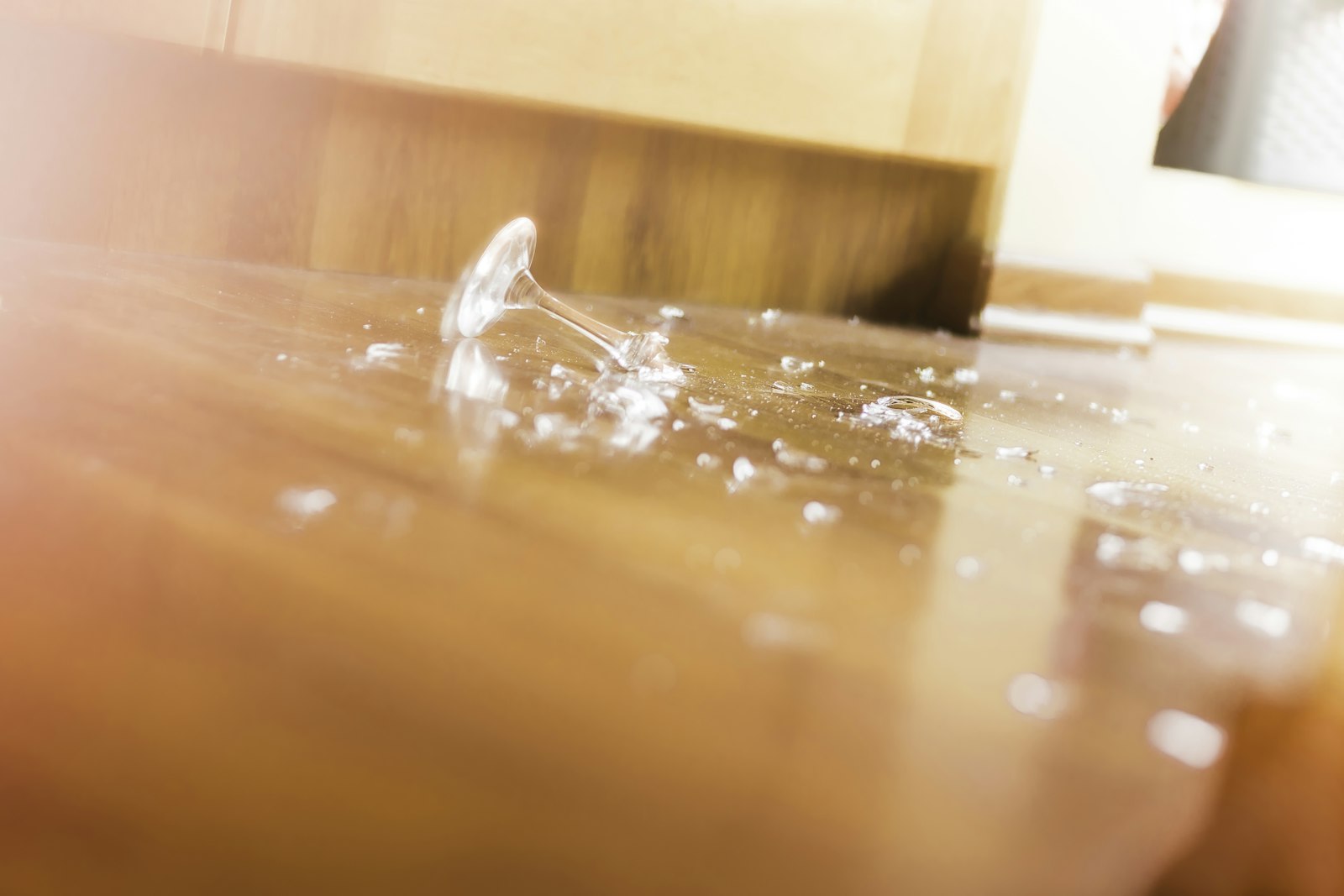
Before anything else, stop the water: close the valve behind the appliance, or the main shutoff at the front of the house if you cannot reach it. Do not stand in water to unplug a machine. If power needs to come off, switch the circuit off at the panel, and if you are not sure, wait and mention it when you call.
The leak should be confirmed stopped before any equipment goes in, so the drying is working against a closed source instead of a running one.
Water under a dishwasher or behind a washer cannot be reached through the front. The appliance comes out so the floor beneath it can be extracted and measured.
Water wicks up particleboard fast. Toe kicks and cabinet bottoms are opened only where the readings show water got in, and you see those marks first.
Tile, vinyl plank and laminate trap water underneath. What is below the surface should be checked, because a floor that looks fine can be sitting on a wet slab.
The wall behind a laundry or a garage water heater is usually shared with a bedroom or hallway. Those rooms get checked too, not just the room the appliance is in.
Photos, moisture readings and a written scope describe how far the water went, which is what an appliance claim or a repair quote needs afterwards.
Repairing or replacing the appliance is a separate job from the cleanup, and it is usually worth deciding while the cabinet or the wall is still open. If the same failure also split a supply line, that is covered under burst pipe and leak cleanup.
Standing water gets handled first with emergency extraction, then the cabinets, walls and flooring go through structural drying until the readings stop moving.
Whether wet cabinets and flooring are saved or replaced is a material-by-material decision, set out on the dry and restore versus replace page. A slow leak found late may need mold remediation as well. Referrals cover Arcadia and the rest of the East Valley, so call and name the appliance to reach an independent provider.
Probably, yes. A surface that dries in a day tells you nothing about the cabinet base, the subfloor or the wall behind it, and those hold water much longer. A moisture check takes a few minutes and either clears it or finds the wet material while it is still worth drying rather than replacing.
Sometimes. Solid wood face frames and boxes often dry and stay; particleboard sides and bottoms that swelled usually do not recover. Ask the independent provider to measure each section and show you which is which before anything comes out. The reasoning behind those calls is on the restore versus replace page.
A provider should follow the water rather than the puddle. Garage slabs slope toward the door, but water also runs under the wall into the hallway, a closet or a bedroom on the other side. Those rooms should be read first, and the drying plan should cover whatever came up wet, not just the garage.
No. A restoration provider handles the water, the drying and the damaged building materials. The appliance itself is repaired or replaced by an appliance technician or a plumbing contractor, so ask that the area be left accessible for them to reach the connection.
Call and describe where the water is coming from and how far it has spread to reach an independent provider.