A drying plan based on readings
The number of air movers and dehumidifiers is set by how much wet material there is, not by a standard package. The plan is written down so you can see it.
Getting the water out is step one. Drying the drywall, framing and slab underneath is what actually stops the damage. An independent provider sets equipment in Tempe homes and tracks the readings until the building is dry.
A floor can feel dry to the hand while the bottom plate of the wall behind it is still saturated. That is the water that causes the smell weeks later, so drying is measured with meters rather than judged by touch.
Arizona air is usually a help here, but it is not the whole answer. During the monsoon the indoor humidity climbs, and inside a closed wall cavity or under a cabinet the air does not move at all. Equipment is what moves it.
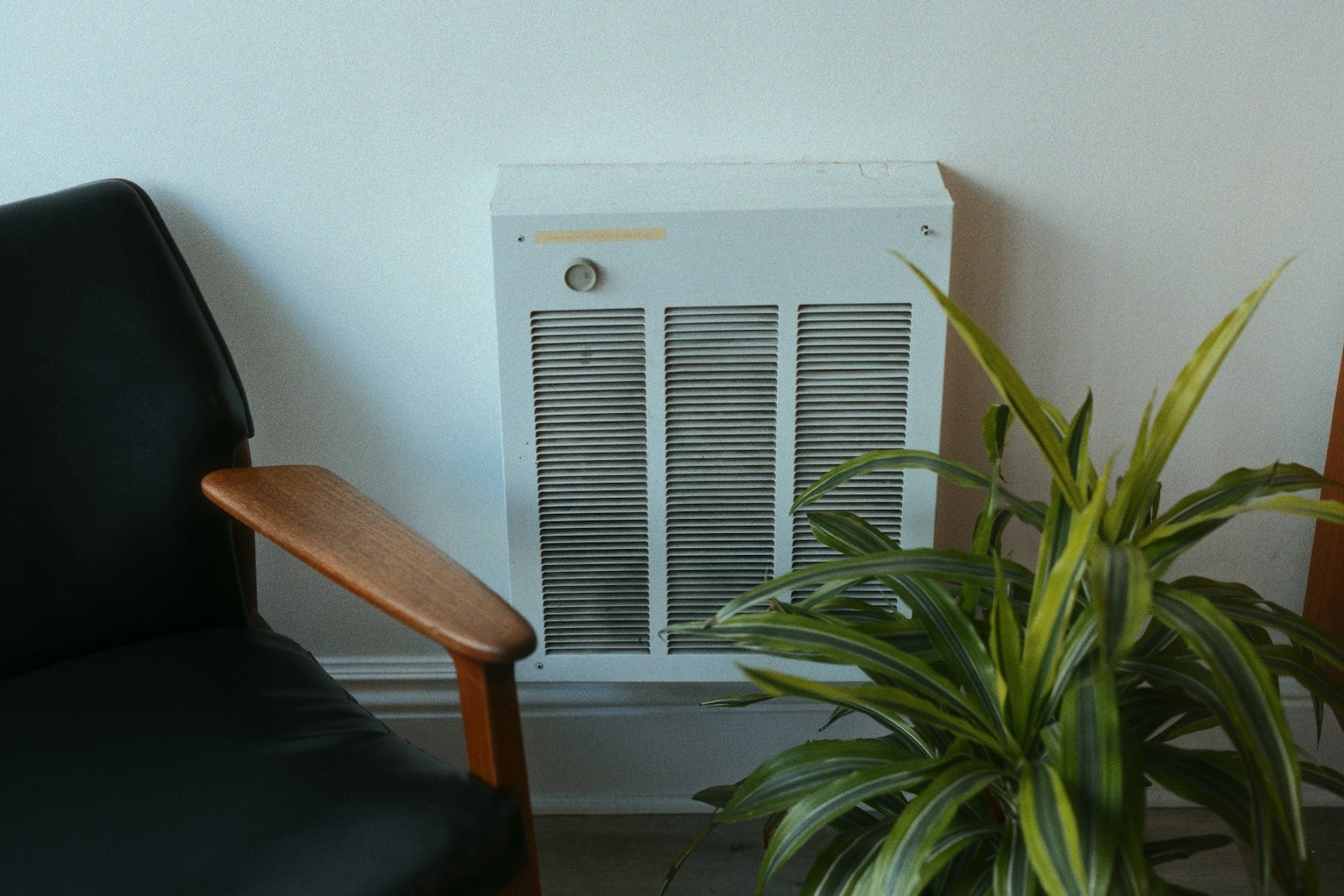
The equipment plan comes from the size of the wet area and what it is made of. Ask the provider to explain the plan and adjust it as the readings change.
The number of air movers and dehumidifiers is set by how much wet material there is, not by a standard package. The plan is written down so you can see it.
Air movers are aimed along wet surfaces and into wall cavities and cabinet bases, because still air over a wet surface dries almost nothing.
Once moisture evaporates it has to be collected and drained, otherwise it simply settles somewhere else in the house.
Readings are taken at the same points each visit and compared with a dry area of the same material. Equipment comes out when the numbers hold, not on a fixed schedule.
Some materials will not come back no matter how long the equipment runs. Carpet padding, wet insulation, particleboard cabinet bases and saturated drywall that has been wet for days usually have to be removed. The dry and restore versus replace guide walks through how that call gets made.
Drying starts with the water already removed, so most jobs begin with emergency extraction. If the water was never fully dried the first time, that is often where mold remediation comes in.
Homes in Gilbert and the rest of the East Valley often have two stories, which means drying a ceiling from below as well as a floor from above. Call and describe it to reach an independent provider.
It depends on the material and how much water it holds. Open framing and painted drywall dry quickly; a wet cabinet base, insulated wall or wood floor takes longer. Ask the provider for a realistic timeline after the first set of readings and for updates as the numbers move.
Please do not. Air movers and dehumidifiers only work while they run, and switching them off overnight can add days to the job. If the noise is difficult, tell the provider; the layout can often be adjusted.
Usually not. Dehumidifiers work best in a closed space, and during the monsoon the outdoor air can be wetter than the air inside. Keep the house closed and let the equipment control the conditions.
Each wet material is compared against an unaffected area of the same material in the same house. When the readings match and stay there, the structure is dry. You get the readings, not just a verbal all-clear.
Call and describe where the water is coming from and how far it has spread to reach an independent provider.