Finding the wet source
Meters, a thermal camera and a look at the obvious suspects, including the condensate line and pan, identify what has been keeping the material wet.
People assume the desert has no mold. Mold does not need humid air, it needs a wet material, and a leak that sat for a few days provides one. A provider should fix the wet source first, then remove what grew.
The usual causes here are not weather. They are air conditioning condensate lines that clogged with dust and overflowed into a closet or attic pan, a supply line that wept behind a wall for weeks, a roof leak from a monsoon storm, a bathroom with no working exhaust fan, and homes closed up all summer while the owners are away with the thermostat set high.
Mold can irritate; people with asthma or allergies may react to it. A provider can describe what they find and what it will take to remove it, but cannot diagnose health effects. If symptoms concern you, that is a question for a doctor.
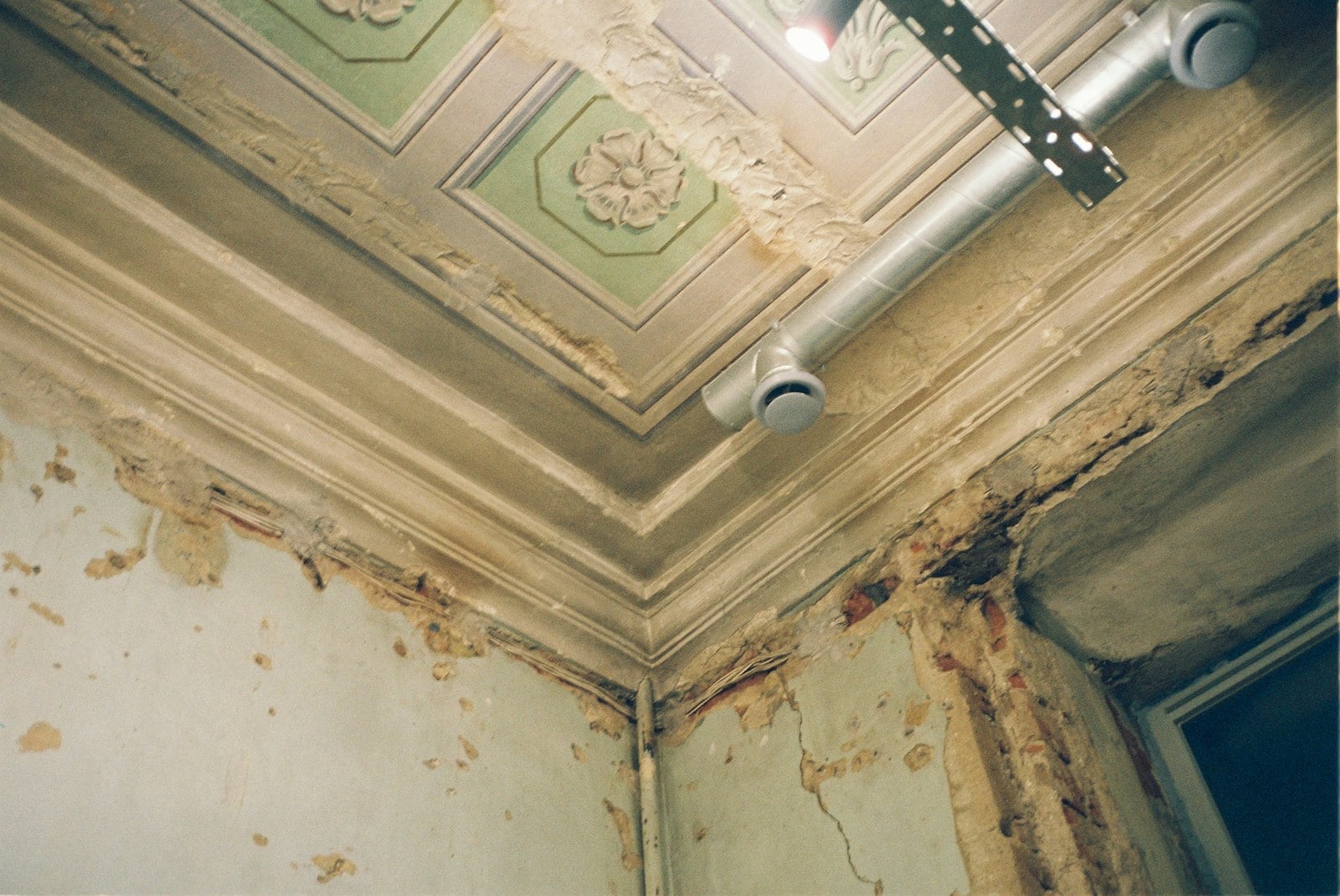
Removing growth without fixing the water it grew on almost always means a repeat. The moisture source is always handled first, and the scope is agreed before anything is opened up.
Meters, a thermal camera and a look at the obvious suspects, including the condensate line and pan, identify what has been keeping the material wet.
The work area is sealed off and put under negative pressure with filtered air so spores are not spread through the rest of the house during removal.
Drywall, insulation and trim with growth on or in them are cut out and bagged, and the framing behind them is cleaned.
The area is dried to a documented standard, and you get photos and readings showing the condition it was left in.
Arizona licenses contractors through the Registrar of Contractors, and any company you hire should be happy to give you its license number. Ask what standards and training its technicians follow, how the work area will be contained, and what will be done about the water source rather than only the visible growth.
What people call black mold is usually Stachybotrys, a greenish-black growth that turns up on materials that have stayed wet for a long time. The removal process is the same regardless of the color: contain, remove the affected material, fix the water and dry the structure.
Most mold problems start as water problems, so it is worth reading structural drying and restore versus replace first. Signs of hidden water damage covers what to look for, and you can call to be connected if the smell keeps coming back.
Growth can begin on a wet porous material within a day or two, and a closed-up house during monsoon humidity is ideal for it. That is the whole reason drying starts immediately rather than next week.
Wiping a surface treats what you can see and leaves what has grown into the material behind it. If growth is limited to a small hard surface and the leak is fixed, cleaning it may be enough. Anything larger, or anything in drywall or insulation, needs removal with the area contained.
Often not. If you can see growth and you know where the water came from, testing rarely changes the plan, which is to fix the water and remove the affected material. Testing is more useful when the smell is there but the source is not obvious, or when a landlord and tenant need an independent record.
Not if the water source is genuinely fixed and the structure is dried and verified. Growth that returns is almost always a sign that something is still wet.
Call and describe where the water is coming from and how far it has spread to reach an independent provider.