Signs of Hidden Water Damage
Tempe Water Damage Pros walks Tempe homeowners through the quiet signs of a leak that has been running behind a wall, under a floor or above a ceiling for weeks.
- Restoration Referrals
- Independent Pros
- Drying & Repairs
By Tempe Water Damage Pros · Updated September 2026
The Damage You Can See Is the Smallest Part
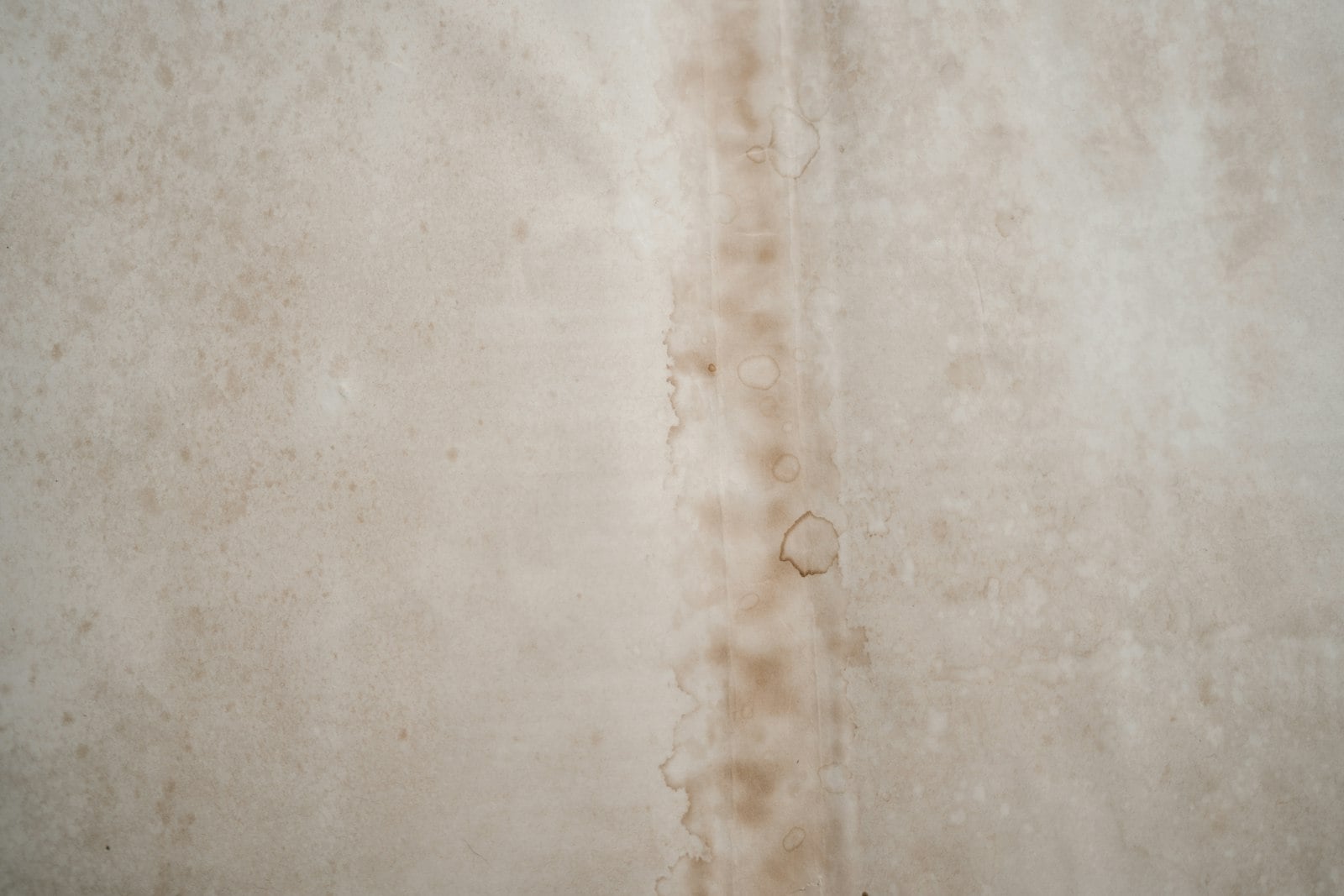
A stain on the ceiling is the end of the water’s journey, not the start of it. By the time a mark appears on paint, the material above and behind it has usually been wet for a while. The same is true of a soft baseboard or a bubble in the wall: the visible sign is where the water finally surfaced.
That is why measuring matters. A meter and a thermal camera show the shape of the wet area, which is often several times larger than the mark. Guessing from the stain tends to leave wet material in place, and wet material that stays wet is what causes the smell weeks later.
Signs in the Structure
Look low first. Baseboards that have swollen at the joints, paint peeling in a line near the floor, or a dark band along the bottom of the drywall all point at water that traveled across a slab. Tile grout that has darkened in one area, or a floor that has started to cup or lift at a seam, says the same thing.
Look up next. A ring on the ceiling, a sagging patch, nail heads showing through paint or a bubble in textured drywall all mean water has been sitting above. In a two-story home that could be a bathroom, a laundry room or an air handler in the attic.
Then look inside the cabinets. The base of a kitchen or bathroom cabinet is where the slow leaks show up first, because the water has nowhere to evaporate. A swollen or dark cabinet floor is a reliable sign.
Signs in the Air and on the Bill
A musty smell that comes back whenever the house is closed up is one of the most useful clues there is. It means something porous is damp and has been for a while, usually inside a wall, under a floor or in a cabinet base.
A water bill that jumps with no change in how you use water is another. So is a warm patch on the floor, the sound of running water with every fixture closed, or a pool that needs topping up far more often than it used to. Those point at supply-side leaks that never reach the surface.
Symptoms in the people living there are worth noting too. Mold can irritate, and people with asthma or allergies may react. If symptoms ease when someone leaves the house and return when they come back, that is worth mentioning, though it is a question for a doctor rather than a restoration crew.
Where Hidden Water Comes From in Arizona Homes
The most common hidden source in this valley is the air conditioning system. The condensate drain line clogs with dust, the pan overflows and water runs into the closet floor, down an interior wall or into the ceiling below an attic unit. It happens every summer and it rarely announces itself.
After that: copper supply lines under old slabs corroding into pinholes, polybutylene piping in homes built between the early 1980s and the mid-1990s failing at the fittings, refrigerator ice-maker and reverse-osmosis lines weeping into a cabinet, water softener connections, water heaters in hot garages, and drip irrigation or a pool auto-fill leaking against an exterior wall.
Wind-driven monsoon rain is the seasonal one. It gets under displaced roof tiles or through a blocked flat roof drain and soaks the decking and insulation long before a stain shows up on the ceiling.
Checking a Tempe Home Before It Becomes a Big Job
Twice a year, open the cabinets under every sink and put a hand on the back corner. Look at the base of the water heater. Check the air conditioning closet and the pan under an attic unit before summer starts, and have the condensate line cleared. Walk the outside of the house after the first monsoon storm and look for a wet stucco patch that is slower to dry than the rest.
If the house has been empty for a season, which is common in parts of the East Valley, check it before switching everything back on. A line that failed in July and ran for weeks is a very different job from one caught the same day. See water damage restoration in Apache Junction for how seasonal properties are handled.
Call to Be Connected
If something smells wrong and you cannot find it, an independent provider can measure the building instead of guessing at it. Meters and a thermal camera show where the moisture is, and the findings come with photos and readings rather than an opinion.
Depending on what turns up, the next step is leak cleanup, structural drying or mold remediation. Call the number shown and describe when you first noticed the smell or the stain.