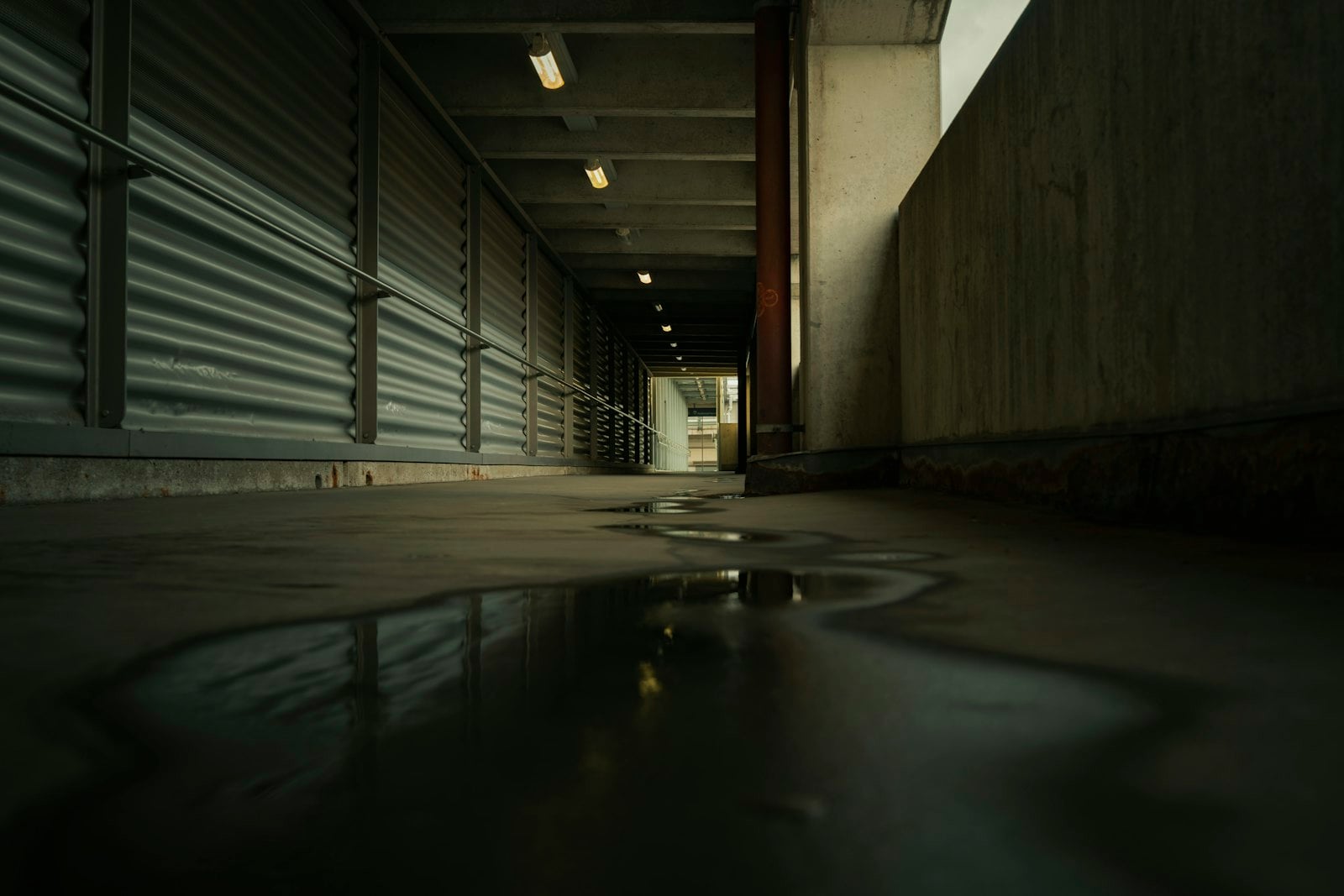
Emergency Water Extraction
Standing water is pulled out first, before it soaks further into drywall and cabinets.
Water ExtractionA failed supply line, a monsoon downpour or a clogged AC drain line can soak a Tempe home in minutes. Tempe Water Damage Pros connects you with independent water damage restoration providers. Availability varies by provider.
Standing water is pulled out first, before it soaks further into drywall and cabinets.
Water Extraction
Air movers and dehumidifiers finish what the extraction starts, with readings taken along the way.
Structural Drying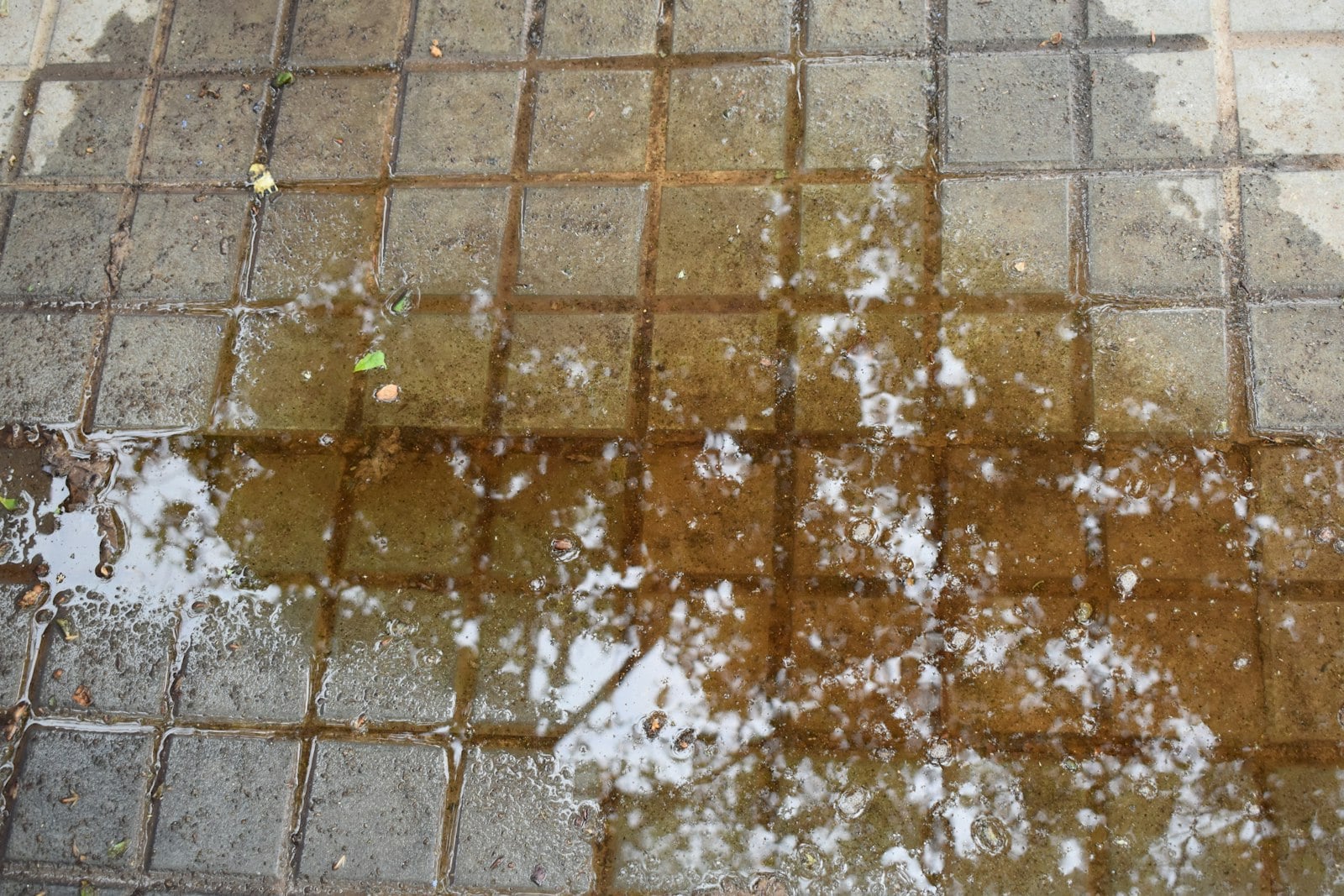
A supply line, water heater or slab leak can wet a whole wing of the house before anyone notices.
Burst Pipe Cleanup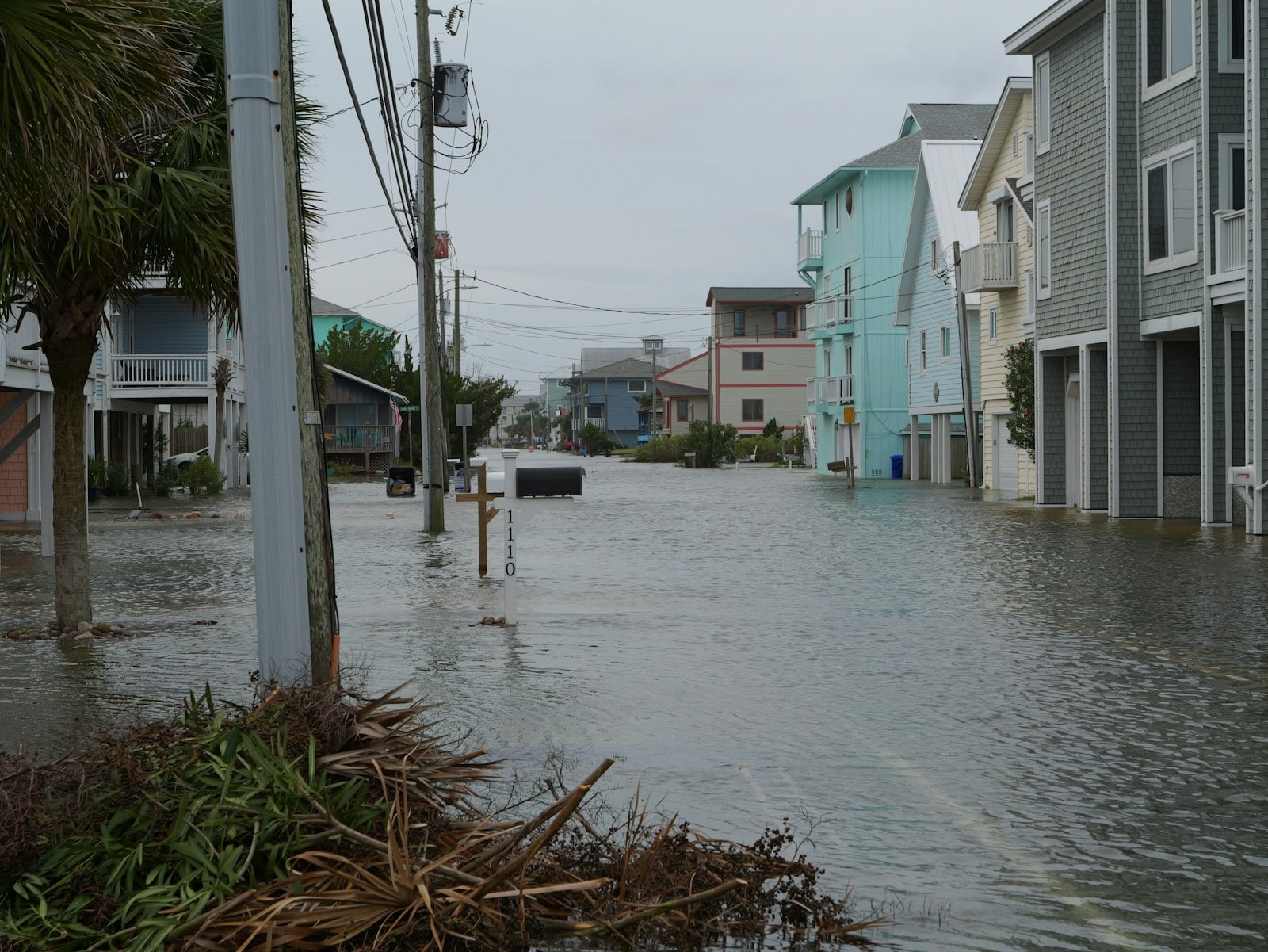
Monsoon rain that comes in at the front door or through the roof leaves dirt as well as water.
Storm and Flood Cleanup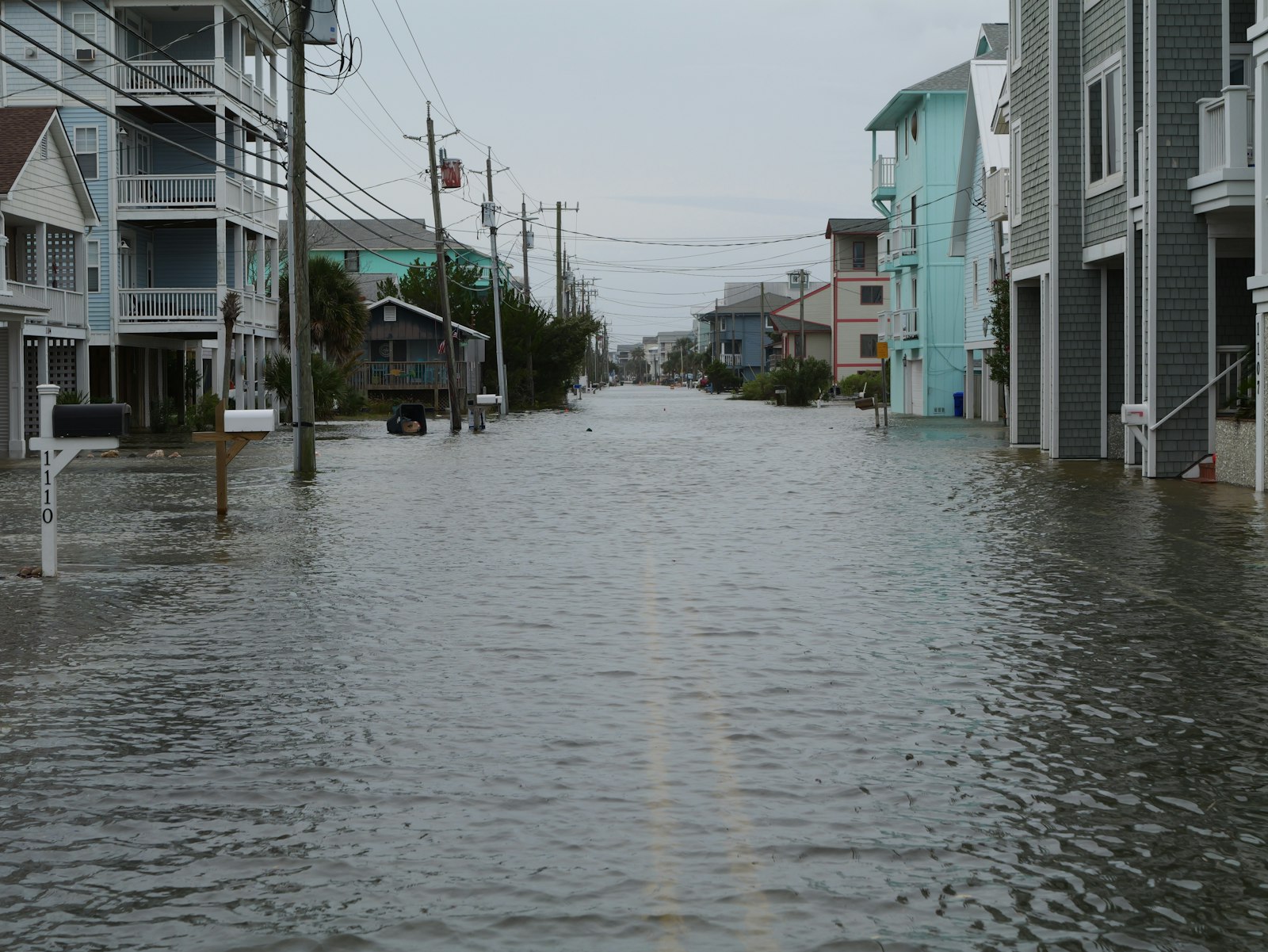
A backed-up line is a health risk, so the cleanup is handled differently from clean water.
Sewage Cleanup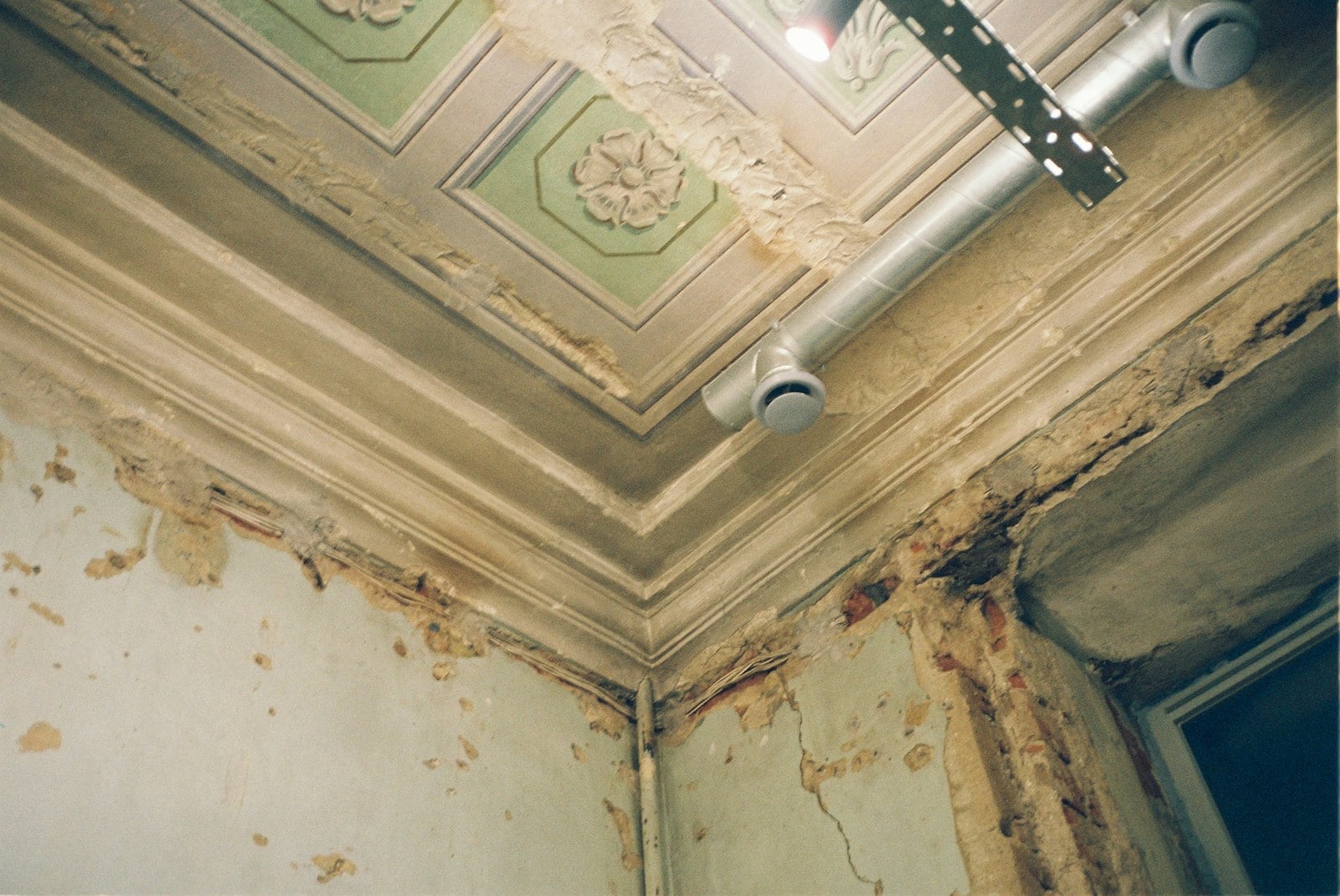
Wet materials left too long start to grow mold, and the wet source has to be fixed first.
Mold Remediation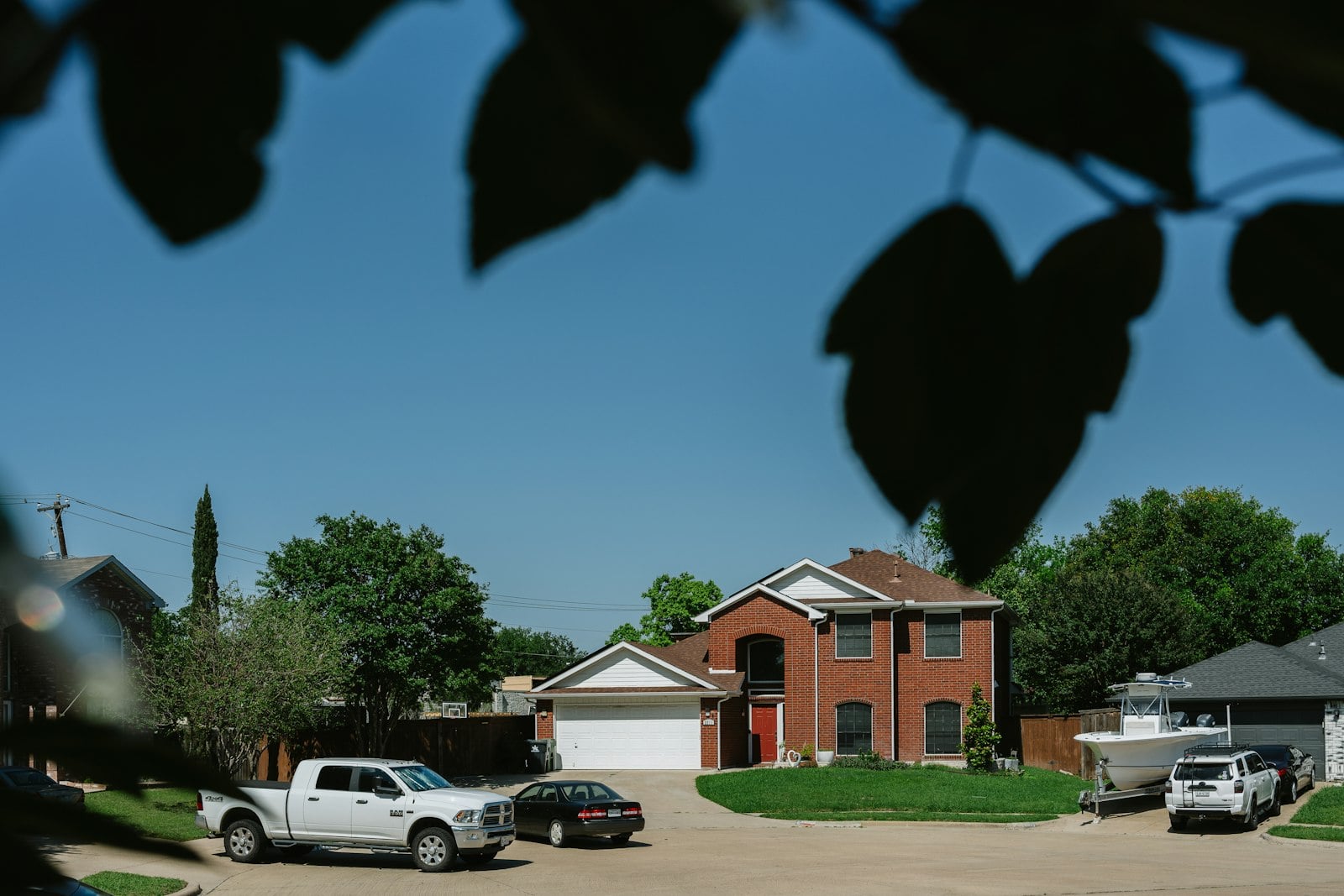
Shops, offices and rentals need the water handled without shutting the whole property down.
Commercial Restoration
Rain driven under the tiles stains the ceiling and soaks the attic insulation above it.
Roof Leak Cleanup
Dishwashers, washer hoses and garage water heaters leak into cabinets and walls without warning.
Appliance Leak CleanupDrying a room while water is still arriving wastes everyone’s time. A provider should find where it is coming from and get it shut off before the equipment goes in.
Tile, stucco and baseboards can look dry on the surface while the drywall behind them holds water. Meters and a moisture map show what is actually wet.
Before cabinets, baseboards or flooring come out, ask the provider for a written price describing what is being removed, what is being dried and what is being put back.
Tempe homes are slab-on-grade with no basement, so water spreads out across the floor and wicks up the drywall instead of draining somewhere. Student rentals near Mill Avenue, 1960s ranch homes and newer two-story builds each behave differently once they get wet.
On a slab home the water runs to the lowest point and slides under tile, laminate and baseboards. An independent provider can extract it before it reaches the next room.
View cleanup guidance
A stain overhead usually means a roof leak, an upstairs line or an AC drain pan that overflowed. The stain is smaller than the wet area above it.
View cleanup guidance
Carpet can sometimes be dried in place, but the padding under it rarely can. A provider should check what is under the carpet before deciding.
View cleanup guidanceA microburst downpour can push water across a driveway and in under the door. Dirt and debris come with it, so the cleanup is not just drying.
View cleanup guidanceBubbling paint, a soft baseboard or a smell that will not clear usually means something stayed wet behind a wall.
View cleanup guidance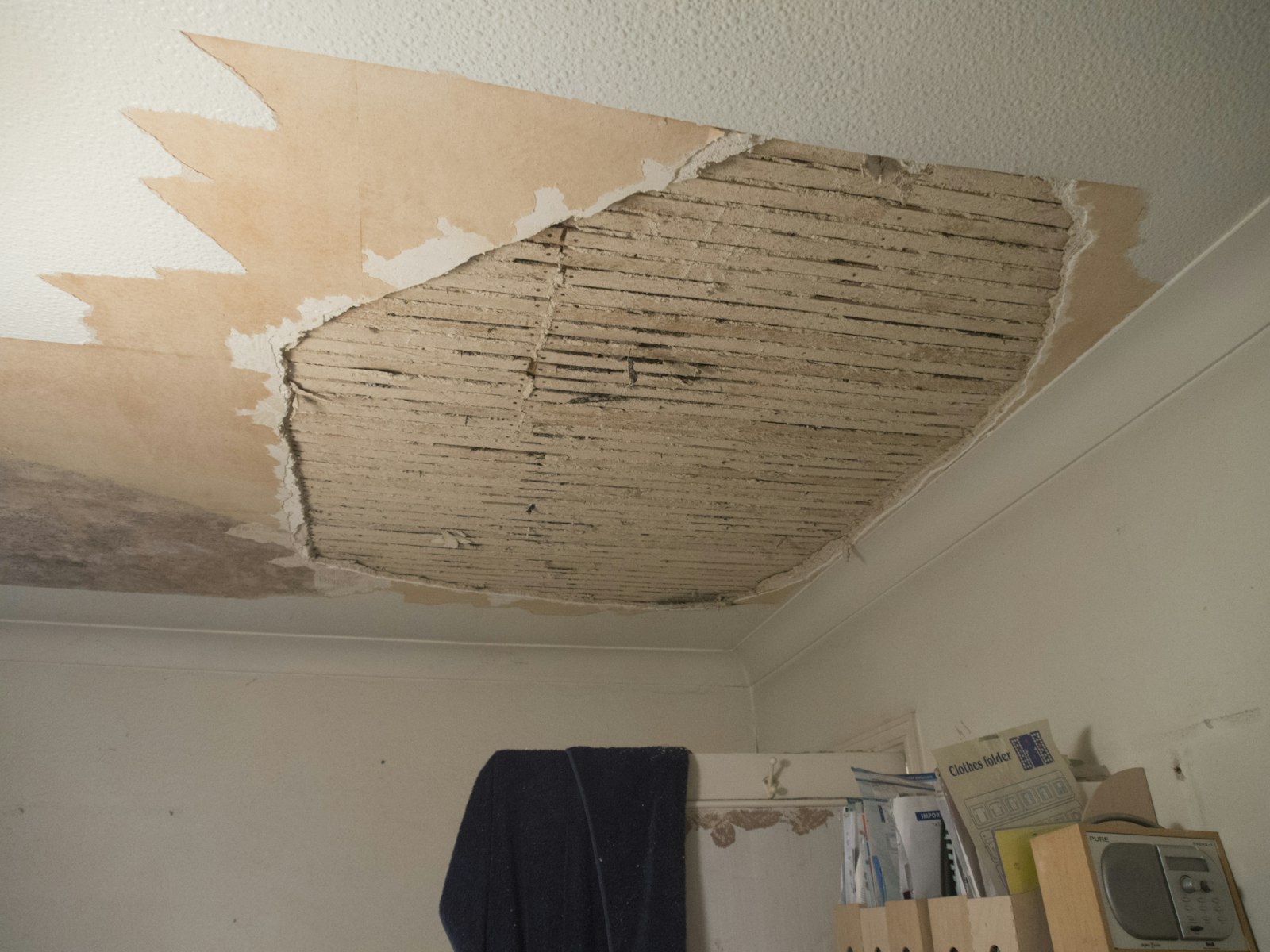
Some wet material dries and stays. Some has to come out. Ask the provider to explain which is which before anything is cut.
View cleanup guidanceDescribe what the water is doing right now: where it started, how far it has reached and whether it is still running, so the provider can plan.
Close the main shutoff if you can reach it safely, and keep out of rooms where water is near outlets, cords or the electrical panel.
Standing water comes out first. Then the provider takes moisture readings and marks what is wet; ask for the scope and price before any material is removed.
Equipment runs until the readings stop moving, not until a fixed number of days passes. Then ask the provider what needs to be put back.
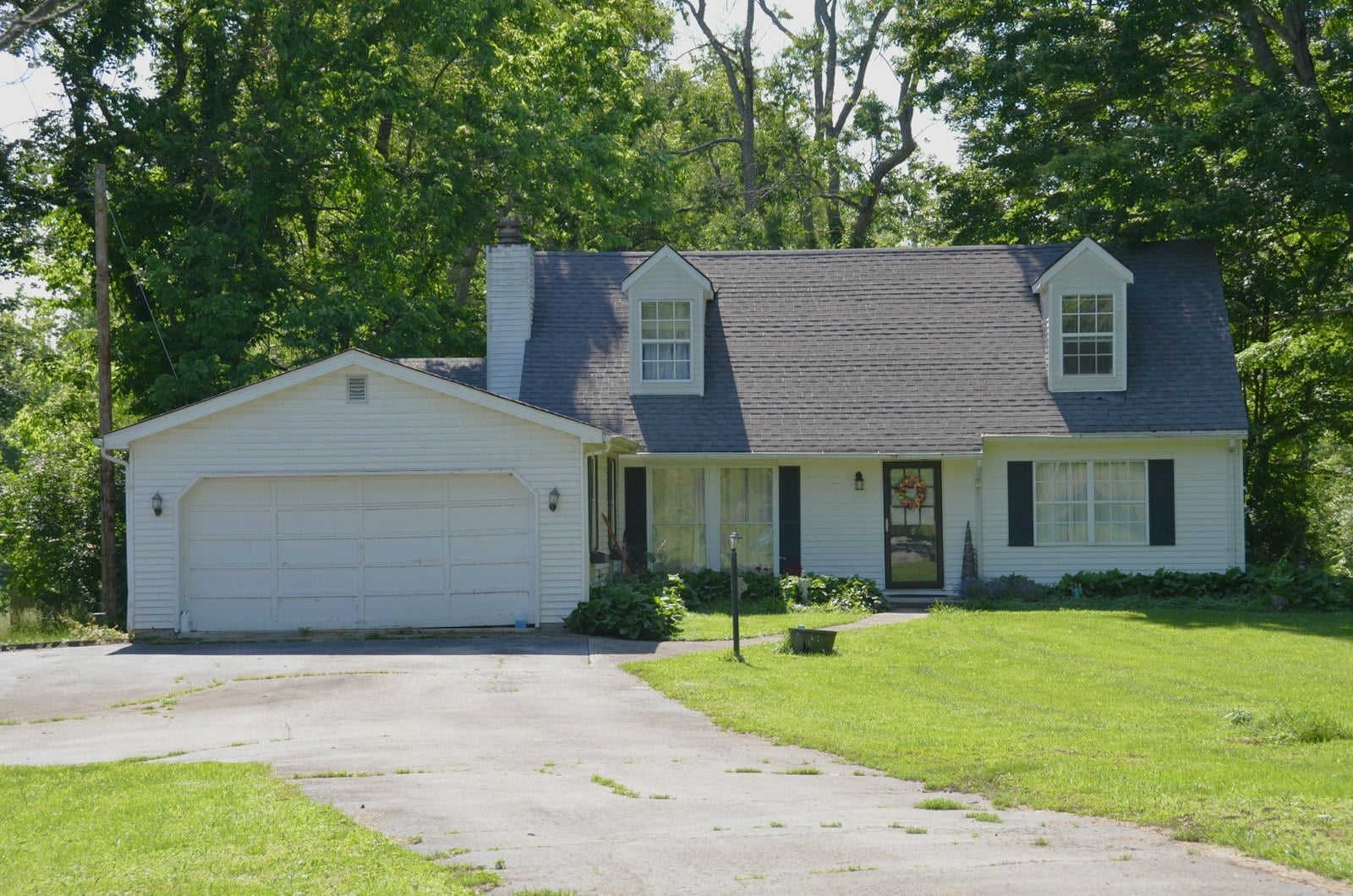
Central Mesa ranch homes sit on slabs, so a supply-line leak runs sideways under the flooring instead of down.
View Mesa serviceTwo-story homes built in the 1990s and 2000s often hide the first sign of a leak in the ceiling below.
View Chandler serviceUpstairs laundry rooms and second-floor bathrooms send water down through the ceiling fast.
View Gilbert serviceLow-slope and flat roofs on older ranch homes leak at the seams and scuppers during monsoon storms.
View South Scottsdale serviceCompact older homes on small lots can take on water at the door when a street floods in a downpour.
View Guadalupe service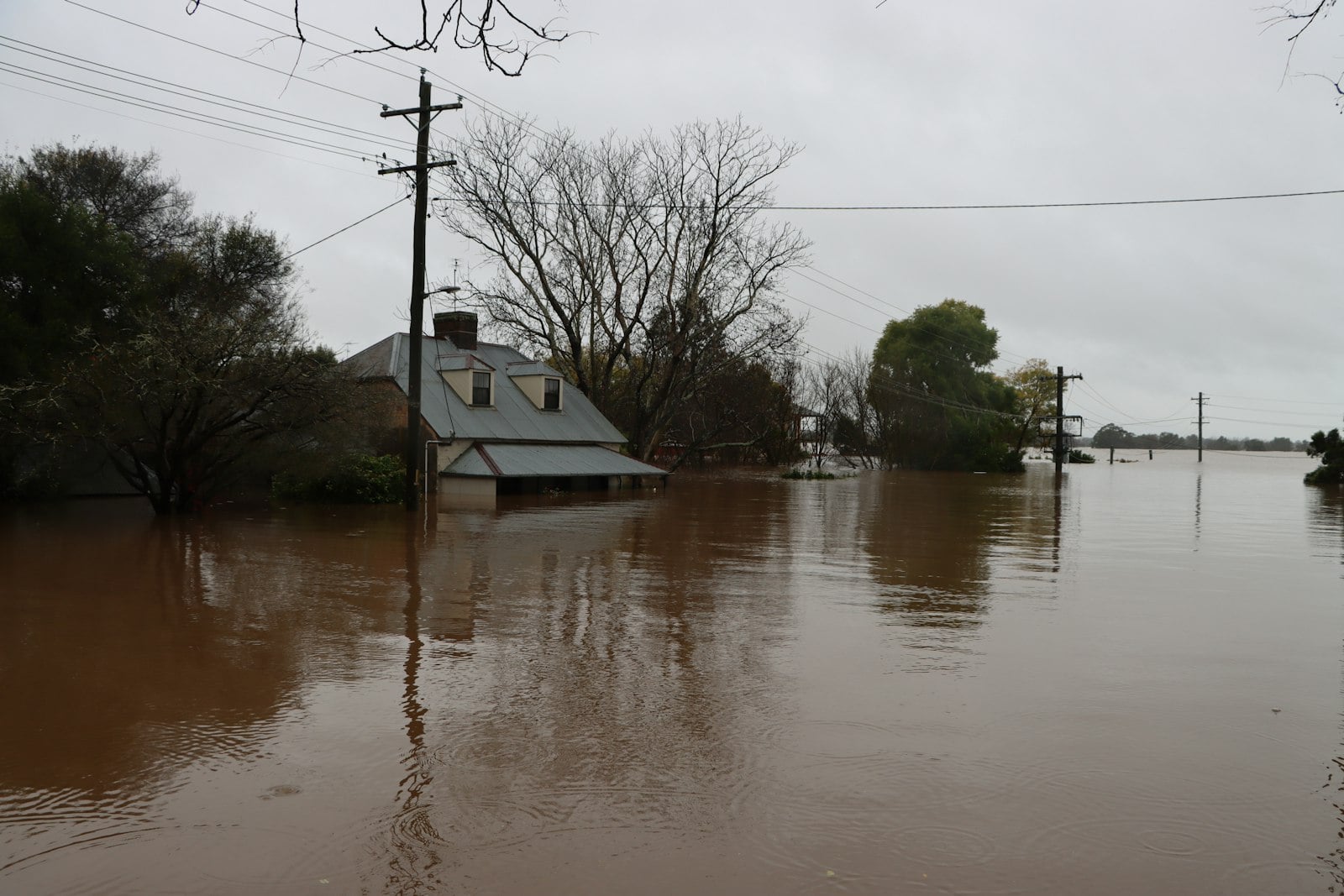
Desert washes run hard in a monsoon storm, and many homes here sit empty through the summer.
View Apache Junction serviceNewer subdivisions have PEX and long runs of pipe, and a failed fitting can flood a room overnight.
View Queen Creek service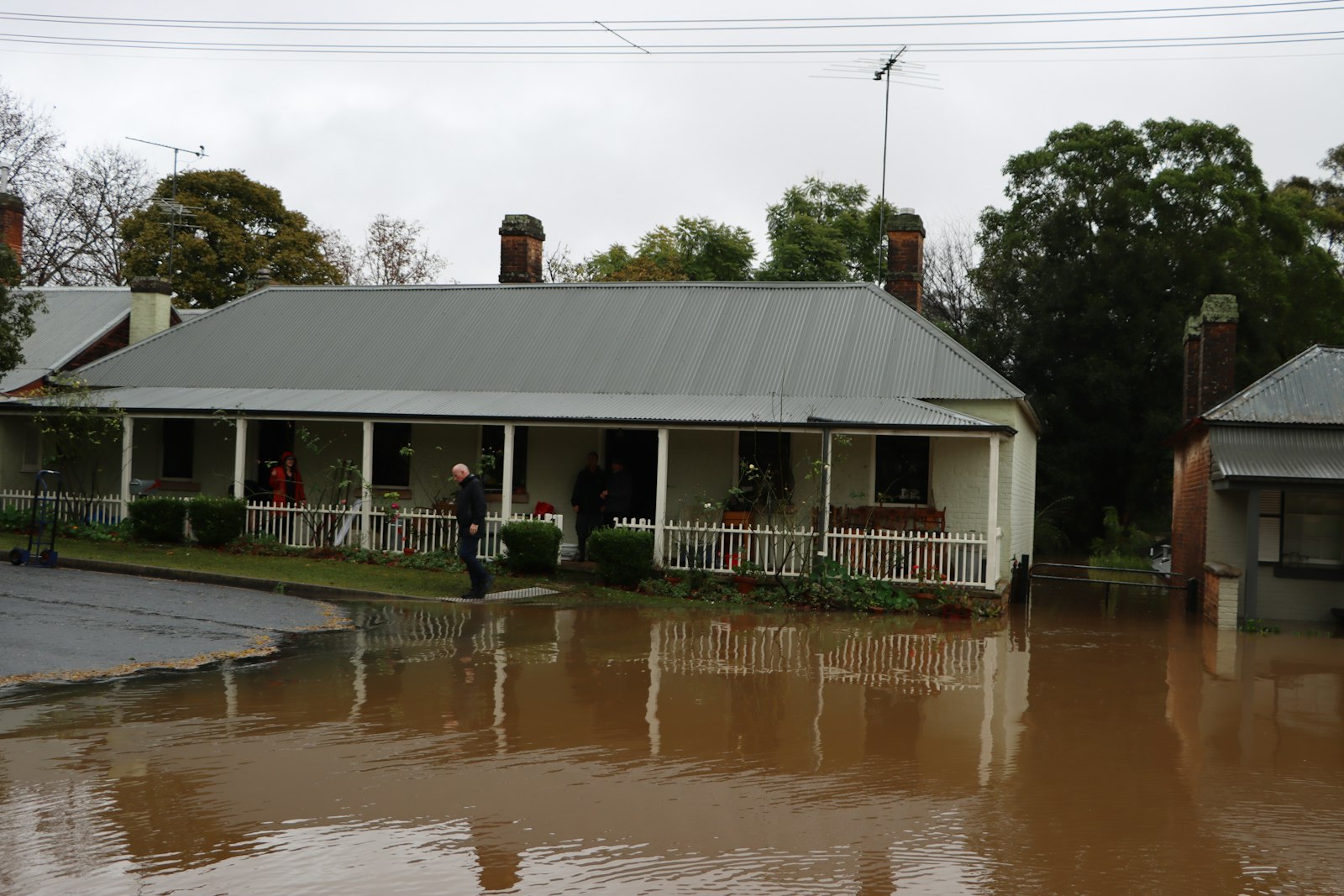
Runoff off South Mountain crosses driveways in a monsoon storm and gets in at the garage.
View Ahwatukee service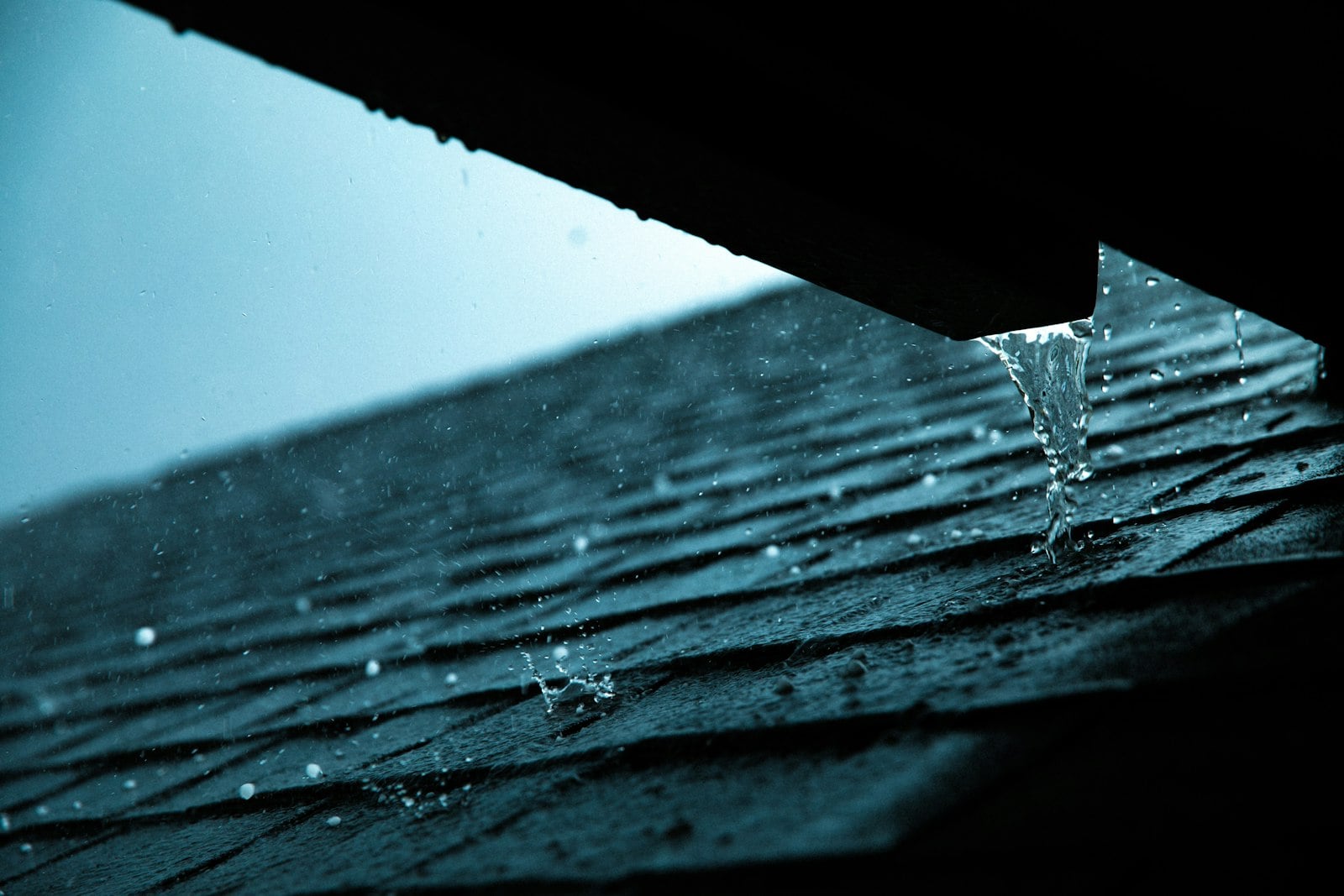
Flood-irrigated citrus lots and 1950s ranch homes with original copper under the slab.
View Arcadia serviceIt depends on how much material is wet, not on how big the puddle looked. The number of rooms, the type of flooring, whether the water was clean or contaminated and how much drying equipment is needed all move the price. An independent provider should measure the wet area first; ask them to confirm price and scope before anything is removed. See how the service works.
Shut the water off at the main first, then call Tempe Water Damage Pros to be connected with an independent restoration provider. Availability depends on the provider and the property location; stay clear of wet outlets and cords meanwhile. Read about emergency water extraction.
The same day. Wet porous materials start breaking down and can grow mold within a day or two, and a house that is closed up in monsoon humidity gets there faster. Material dried on day one often stays; the same material left for four days usually comes out. Read what to do in the first 24 hours.
Household fans move air but they do not remove water from the air, so the moisture just settles somewhere else in the house. They also cannot reach inside a wall cavity or under a cabinet, which is where the water that causes problems sits. Read how structural drying works.
Not while the power is on in that area. Water reaching outlets, extension cords or an air handler is an electrical risk, and anything from a drain or from outside is a health risk as well. Stay out, keep children and pets away and let an independent provider assess it. Call the number.
No. Painted drywall that was wet briefly and dried quickly often stays in place. Drywall that sat wet for days, took in contaminated water or has soaked insulation behind it normally comes out. The readings decide it, not the look of the surface. Compare drying in place and replacing.
Usually several days, and it depends on the material rather than the calendar. Open painted drywall and framing dry quickly; wet cabinet bases, insulated walls and wood floors take longer. A provider should work to a dry standard confirmed by readings, not to a fixed number of days. Read about the drying process.
Only your insurer can answer that, and it depends on the policy and how the water got in. Sudden accidental leaks are commonly covered; long-running seepage and water rising from outside are usually treated differently. Ask the restoration provider to document the loss with photos and readings so the decision is made from facts. Read the insurance claim basics.
Yes. Mold needs a wet material, not humid air, and wet drywall, carpet padding or a cabinet base inside a closed-up house provides exactly that. It can irritate, and people with asthma or allergies may react. Read about mold remediation.
Call Tempe Water Damage Pros to be connected with an independent water damage restoration provider; availability depends on the provider and the property location. Say whether the water is still running when you call. See the areas covered.
Call and describe where the water is coming from and how far it has spread to reach an independent provider.