Water Damage Insurance Claim Basics
Tempe Water Damage Pros explains what to document after water damage in a Tempe home, how coverage questions usually get decided and what a restoration company can and cannot tell you.
- Restoration Referrals
- Independent Pros
- Drying & Repairs
By Tempe Water Damage Pros · Updated September 2026
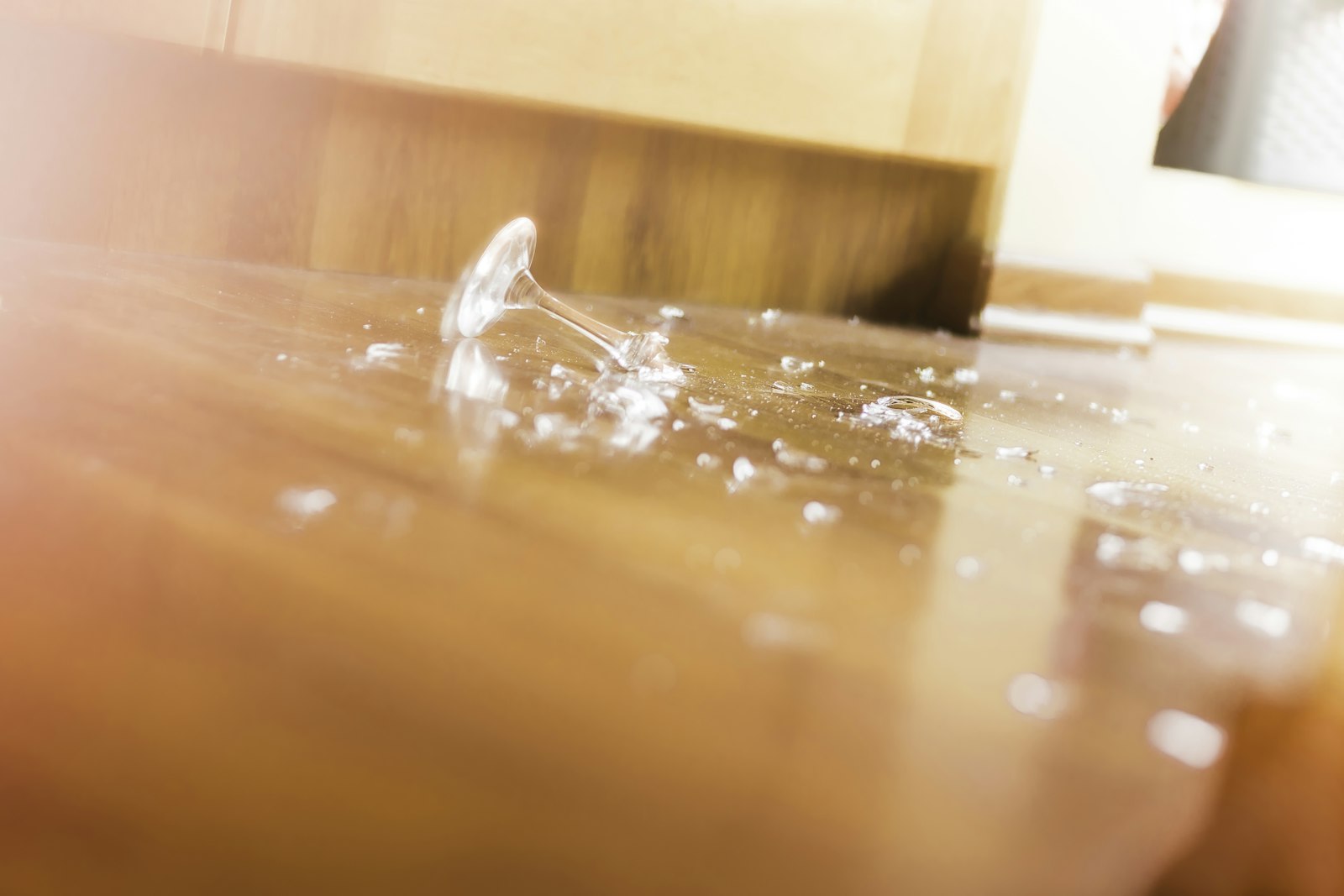
Document First, Ask Questions Second
Whatever happens with a claim, the record you make in the first hours is what everything else rests on. Photograph and video every affected room before you move anything, including the water line on walls and cabinets, the ceiling, the flooring and the contents. Photograph the source if you can reach it safely, and get the make, model and age of any appliance or water heater involved.
Write down the date and time you discovered the water and the time it was shut off. Keep receipts for anything you buy to limit the damage, such as a wet vacuum rental, fans or tarps. Keep the damaged materials until they have been documented rather than hauling them straight to the curb.
A moisture map, meter readings and an equipment log from the restoration work become part of that record too. That is one of the practical reasons to have the drying documented properly rather than done informally.
What Usually Gets Approved and What Usually Does Not
Policies differ and only your insurer can tell you what yours covers, but the pattern is fairly consistent. Sudden and accidental water, such as a supply line that split or a water heater that failed, is commonly covered. Damage from a leak that has been seeping for months, or from deferred maintenance, is commonly excluded on the grounds that it was not sudden.
Water that rises and enters from outside is usually treated differently from water that fell from the sky onto a damaged roof. Flooding from outside is typically handled under a separate flood policy rather than a standard homeowners policy. Sewer and drain backup is often an optional add-on rather than part of the base policy.
None of that is legal or coverage advice, and Tempe Water Damage Pros does not decide what your policy pays. What a restoration provider can do is document the loss thoroughly so the people who do decide are working from facts.
Making the Call
Report the loss promptly. Most policies require notice without unreasonable delay, and they also expect you to take reasonable steps to prevent further damage, which is exactly what emergency extraction and drying are. Waiting a week to see how it dries out on its own can work against you on both counts.
Ask your insurer for the claim number, the adjuster’s name and contact details, and what documentation they want. Ask whether they want to inspect before materials are removed, and if so, how quickly that can happen. Emergency work to stop further damage usually does not have to wait for an adjuster, but the documentation has to be thorough.
Keep a simple log of every conversation: date, who you spoke to and what was agreed. It takes two minutes and it settles most disputes later.
Choosing Who Does the Work
You generally choose your own restoration company. Arizona licenses contractors through the Registrar of Contractors, so ask any company you are considering for its license number, and ask what standards and training its technicians follow.
Ask for a written scope before work starts that says what is being removed, what is being dried and what is being put back, and ask whether the rebuild is included or quoted separately. Be wary of anyone who wants a signature on paperwork you have not read while you are standing in a wet house.
Be careful with promises about outcomes. Nobody can guarantee a claim will be approved or that a policy will pay a particular amount, and an offer to make the paperwork "work out" is a reason to walk away.
Water Damage Claims in Tempe Homes
Two local patterns come up again and again in this valley. The first is the air conditioning condensate overflow: a clogged drain line in July that puts water through a closet floor or a ceiling. The second is a leak found after a home has been closed up for the summer, which raises the "sudden and accidental" question immediately.
Monsoon storms create the third pattern, where wind-driven rain gets under roof tiles or a blocked flat roof drain backs up. Whether that is a roof claim, a water damage claim or both depends on the policy and the inspection.
In each case the answer is the same: document the condition, record the timeline and get the drying started. If your property is in a nearby city, see water damage restoration in Chandler for local details there.
Call to Be Connected
Ask the provider to document the loss with photos, moisture readings and a written scope, and to give you a record you can pass to an adjuster. Start with emergency extraction, then structural drying.
If you are deciding what can be saved, dry and restore versus replace explains how the material calls are made. Call the number and say when you found the water.