Sewer Backup Cleaning Services Near Me, Tempe
If you are searching for sewer backup cleaning services near me in Tempe, start by staying out of the dirty water and taking photos before anything is moved. This page explains how to document a sewer backup for an insurance claim, what cleanup involves, and how to reach a local provider by phone.
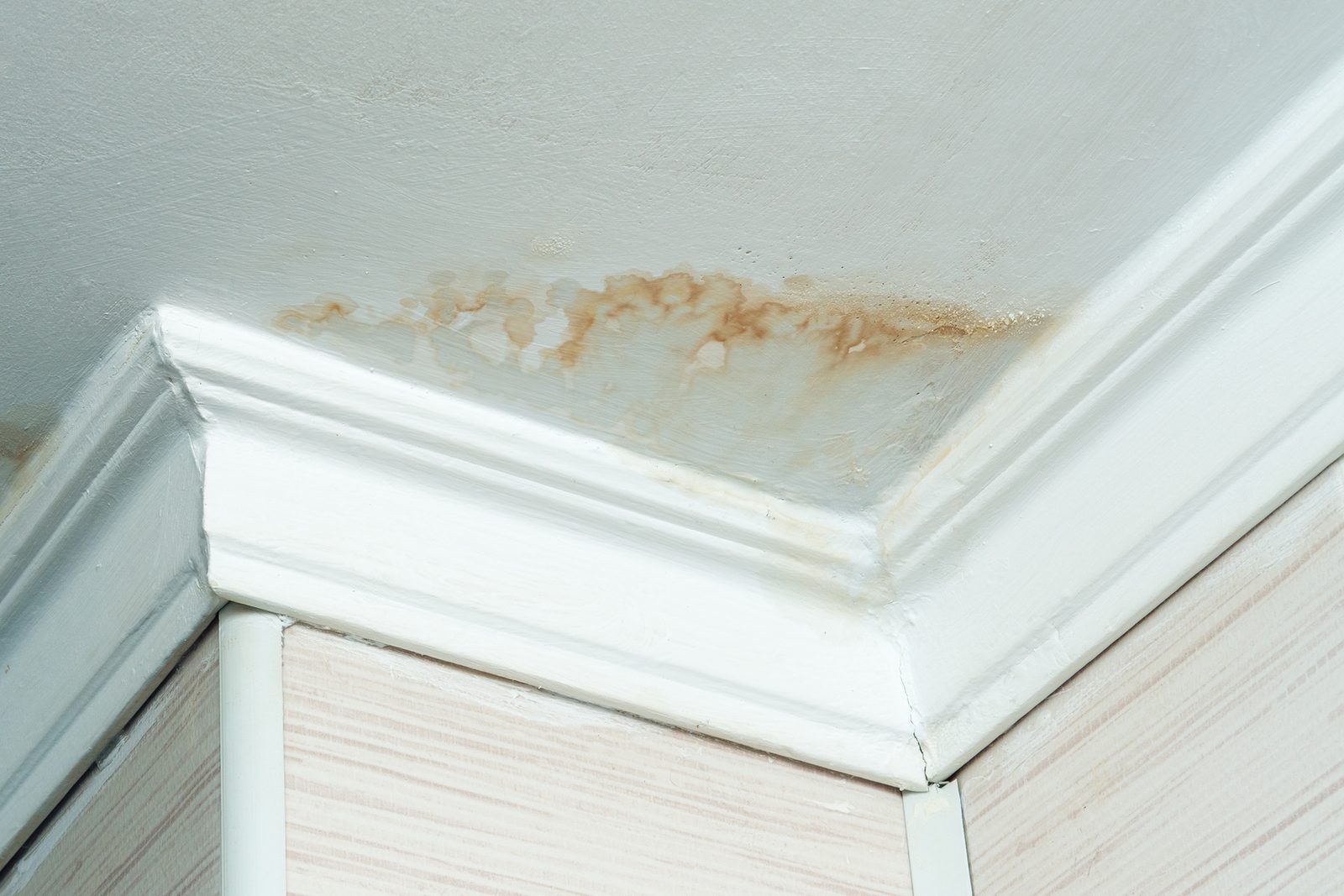
- Sewage is the dirtiest kind of indoor water and calls for protective gear and disinfection.
- Arizona's insurance department advises taking pictures of the damage before any mitigation or restoration contractors arrive.
- The same department advises calling your insurance company or adjuster before calling a contractor.
- The EPA says water-damaged areas and items should be dried within 24-48 hours to help prevent mold.
- Many policies treat sudden damage differently from gradual leaks, so check your policy and document everything.
What to do first
- Keep people and pets away from the backed-up area and do not walk through standing sewage.
- Stop using sinks, toilets, showers, the dishwasher and the washing machine so more water does not go down the drain.
- If water is near outlets, cords or appliances, stay out of the area and keep power off only if you can reach the panel from a dry spot.
- Take wide photos and short videos of every affected room before anything is moved or thrown out.
- Call your insurance company or adjuster, then call to be connected with a local cleanup provider.
What should I do first when a sewer backs up in my Tempe home?
When a sewer backs up in a Tempe home, stay out of the water, stop running any drains, and take photos before cleanup starts. Then call your insurance company and call to be connected with a local provider for sewer backup cleaning. Those steps protect both your family and your claim.
Sewer water usually shows up first at the lowest drain in the house, such as a shower, tub or floor drain. If it is coming up every time someone flushes, the blockage is likely in the main line. A plumber clears the line. A water damage cleanup provider removes the sewage, cleans and dries the rooms. Our guide to sewage backup cleanup in Tempe covers the cleanup side in more detail.
Why does documentation matter so much for a sewer backup claim?
Documentation matters because once sewage is removed, the proof is gone. Arizona's Department of Insurance and Financial Institutions (DIFI) advises taking pictures of the damage before any water mitigation, plumbers or restoration contractors show up. Good photos help an adjuster understand how far the water spread.
A simple way to document a sewer backup:
- Wide shots of each room, then close-ups of floors, baseboards, cabinets and belongings.
- A short video walking from the drain where the water came up to the edge of the wet area.
- A written list of damaged items, with brand and rough age if you know it.
Keep receipts for anything you buy, like bleach, trash bags or a hotel stay. Our water damage insurance claim basics guide has more tips.
Will homeowners insurance cover sewer backup cleaning in Tempe?
It depends on your policy, so nobody can promise coverage ahead of time. DIFI says water damage not caused by a flood may be covered by homeowners or renters insurance if it results from a sudden or accidental event, and that your policy spells out what is and is not covered.
Sewer backup is often handled differently from other water damage. Some policies cover it only with an added endorsement, and some do not cover it at all. Many policies also treat sudden damage differently from gradual leaks. Check your policy and document everything.
DIFI also advises verifying coverage with your adjuster rather than taking a contractor's word for what is covered. A cleanup provider can explain the work. Your insurer decides the claim.
Need help now? Call to be connected with a local provider in Tempe who can check availability for your address.
What do the water categories mean for a sewer backup?
Cleanup providers often sort indoor water into three groups. Sewage belongs in the dirtiest group, which is why it is handled with more care than a clean pipe leak.
- Clean water: water from a supply line or faucet that has not touched anything dirty.
- Gray water: used water from a washing machine, dishwasher or sink drain that may carry soap, food or other residue.
- Black water: water that contains sewage or has come in from outside floodwater. A toilet or sewer line backup falls here.
Clean water can turn into gray or black water if it sits or spreads into dirty areas. With black water, soaked carpet pad and drywall are often removed instead of dried.
What happens during the visit?
A local provider starts with an inspection. They look at where the sewage came in, how far it spread, and which materials soaked it up. Many use moisture meters to find wet spots behind baseboards and under flooring.
Next, they explain your options. That may include removing sewage, cutting out wet drywall and carpet pad, cleaning and disinfecting surfaces, and setting up drying equipment. You should get a written quote before work starts, so you and your adjuster can review it. Ask any questions before you sign. See how it works for the full process.
What should I keep track of during cleanup and drying?
Keep a simple log from the first day. DIFI suggests recording times, dates, technician names and equipment used, such as dehumidifiers, air movers and moisture detectors, during water mitigation. That log helps your adjuster match the bill to the work.
- Take photos of each room after sewage is removed and again after drying.
- Write down which materials were removed and keep a few photos of them before disposal.
- Save copies of every written quote, invoice and moisture reading you receive.
Drying matters too. The EPA says water-damaged areas and items should be dried within 24-48 hours to help prevent mold. Learn more about structural drying and dehumidification.
How do I choose a sewer backup cleaning provider near me in Tempe?
Choose a provider who explains the work in plain words, gives a written quote, and does not pressure you. DIFI advises making sure any contractor doing the work is licensed in Arizona, and notes that it is your right to get more than one quote. Homeowners can check a license in the Arizona Registrar of Contractors online search.
DIFI also warns against high-pressure sales and people going door to door offering services you did not request. After a big storm, that can happen fast. Calling to be connected with a local provider lets you choose who comes to your home.
What if I rent my home or the backup came from a shared line?
If you rent, tell your landlord or property manager right away. DIFI advises renters to check with their landlord before any repair work begins. Renters insurance may cover your belongings, but the building itself is usually the owner's claim.
In condos and townhomes, one blocked line can affect more than one unit. Each owner should take their own photos and notify their own insurer. The HOA or property manager can help figure out where the blockage started.
What should Tempe and East Valley homeowners know about sewer backups?
Heavy storms can push extra water into drains across the East Valley. The National Weather Service defines the monsoon as June 15 through September 30, and NWS says flash floods are common in Arizona. NWS Phoenix reported that the October 12-13, 2025 storms caused water rescues, street closures and overflowing washes in the Phoenix metro, so storm season does not always end in September.
If outside floodwater entered the home along with sewage, the claim may look different. FEMA says most homeowners insurance policies do not cover flood damage, and there is typically a 30-day waiting period before a National Flood Insurance Program policy takes effect, with some exceptions.
The Arizona Department of Health Services lists backed-up sewers as a source of indoor moisture and says the source must be fixed before cleanup, or mold will return. After flooding, ADHS advises removing sheetrock to at least 12 inches above the high-water mark. Homeowners in Tempe, Mesa, Chandler and Guadalupe can call to be connected with a local provider.
Related pages
Questions people ask
How do I find sewer backup cleaning services near me in Tempe?
Call the number on this page to be connected with a local provider who can check availability for your Tempe address. Before the visit, stay out of the sewage, stop using drains and take photos of every affected room.
Is it safe to stay in my house after a sewer backup?
It depends on how much of the home is affected. If sewage is limited to one bathroom you can close off, many people stay. If it spread through living areas, or you have young children or someone with health concerns, staying elsewhere until cleanup is done is often the calmer choice.
Should I call my insurance company or a cleanup company first?
Arizona's insurance department advises calling your insurance company or adjuster before calling a contractor. You can still take photos and keep people out of the area while you wait.
Can I clean up a small sewer backup myself?
A very small backup on a hard floor, like a little overflow around a toilet, is something some homeowners clean themselves with gloves, boots and disinfectant. Once sewage soaks into carpet, drywall or cabinets, a cleanup provider is usually the safer option.
What photos should I take for a sewer backup insurance claim?
Take wide photos of each room and close-ups of floors, walls, cabinets and damaged items. Add a short video that shows where the water came up and how far it spread.
Does homeowners insurance pay for sewer backup cleanup in Arizona?
Sometimes, but it depends on your policy. Many policies treat sewer backup separately and may require an added endorsement, so check your policy and confirm coverage with your adjuster.
What is black water and why does it matter?
Black water is water that contains sewage or outside floodwater. It matters because soaked porous materials like carpet pad and drywall are usually removed rather than dried.
Will my carpet have to be thrown out after a sewer backup?
In many cases, yes. Carpet and pad soaked by sewage are usually removed, while hard flooring like tile can often be cleaned and disinfected.
How fast does a home need to dry after a sewer backup?
The EPA says water-damaged areas and items should be dried within 24-48 hours to help prevent mold. Sewage cleanup adds removal and disinfection, so drying starts once the dirty materials are out.
Why does sewage come up in my shower or tub first?
Sewage backs up at the lowest drain in the house, which is often a shower, tub or floor drain. That usually points to a blockage further down the line.
Who clears the sewer line, a plumber or a cleanup company?
A plumber clears the blockage in the sewer line. A water damage cleanup provider removes the sewage, cleans the rooms and dries the structure, and the two often work one after the other.
Should I throw away damaged items before the adjuster sees them?
Take photos and write down each item before anything is thrown out. Ask your adjuster whether they want to see items in person, and keep a few samples if you can store them safely outside.
What should a written quote for sewer backup cleaning include?
It should list the rooms involved, materials to be removed, cleaning and disinfection steps, and the drying equipment planned. Ask for it before work starts so you and your adjuster can review it.
Can a sewer backup cause mold in a Tempe house?
Yes, any water left in walls or floors can lead to mold. The Arizona Department of Health Services lists backed-up sewers as an indoor moisture source and says the source must be fixed before cleanup.
I rent my home in Tempe. Who pays for sewer backup cleanup?
Tell your landlord right away, because Arizona's insurance department advises renters to check with their landlord before any repair work begins. The owner usually handles the building, and renters insurance may cover your belongings depending on the policy.
Is a sewer backup from a monsoon storm considered flood damage?
Not always. Sewage coming up through a drain is often treated differently from outside floodwater entering the home, so describe exactly what happened to your adjuster and check your policy.
Talk to someone about your water damage problem
Call to be connected with a local provider who can check availability for your address and explain the next step.