Water and debris removal
Silt, gravel and organic debris are removed along with the water, because they hold moisture and odor long after the floor looks clear.
Monsoon storms drop a lot of rain in a short time, and low streets and washes fill fast. Tempe Water Damage Pros connects Tempe callers with independent providers for water that came in from outside, including the mud and debris that arrives with it.
The July to September monsoon brings microbursts with strong straight-line winds and short, violent downpours. Streets that drain slowly fill quickly, and washes carry far more water than their dry beds suggest. The record Phoenix-area rain of September 8, 2014 flooded freeways and neighborhoods across the Valley, and heavy monsoon flooding returned in 2022 and 2023.
Dust is the other half of the problem. Blowing dust packs roof drains and gutters through the dry months, so the first big storm meets a drain that cannot take it. That is why so many storm calls are roof leaks rather than water at the door.
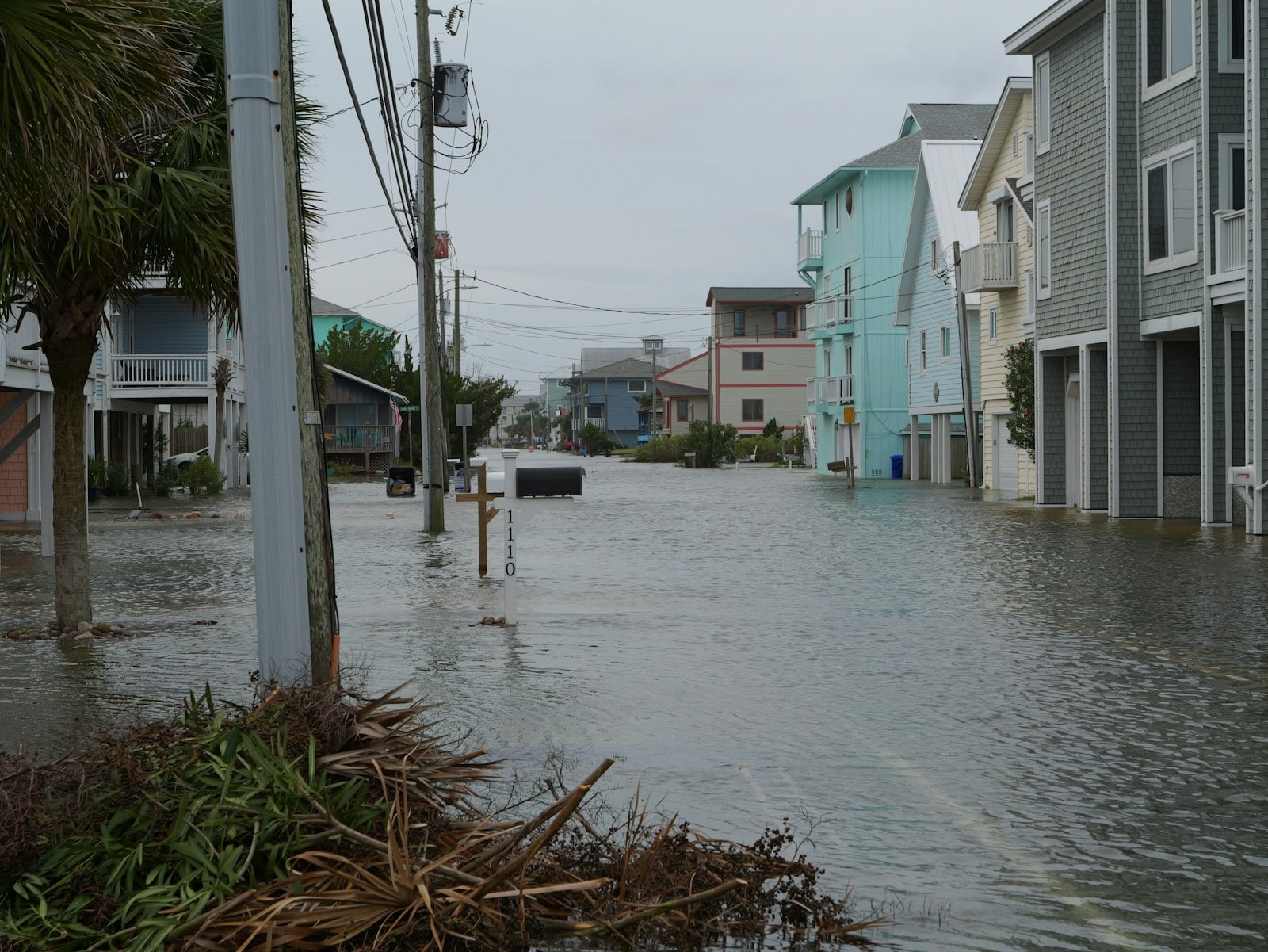
Storm water is not clean water. The cleanup includes removing what came in with it, so the scope is different from a burst supply line.
Silt, gravel and organic debris are removed along with the water, because they hold moisture and odor long after the floor looks clear.
Hard surfaces the water touched are cleaned rather than simply dried, and porous materials that took in dirty water are assessed for removal.
Air movers and dehumidifiers run on the walls, flooring and cabinetry the water reached, with readings taken each visit.
Photos of the water line, the affected rooms and the removed materials give you a clear record of what happened and what was done.
Do not walk into water that has come in from outside if it is near outlets, cords or the electrical panel, and do not run the air conditioning if the system or its ducts took on floodwater. Wear closed shoes and gloves; street water carries whatever was on the street.
Between storms, clearing roof drains, gutters and scuppers of dust and debris is the single most useful thing you can do. The guide to the first 24 hours covers what to photograph before anything is moved.
If the rain came through the roof rather than in at a door, that is roof and ceiling leak cleanup, and the ceiling and attic insulation are handled as part of the same visit.
Once the water is out, the building still needs structural drying, and anything that stayed wet for days may need mold remediation. Apache Junction and other areas near open desert see this most often; call and describe it to reach a provider.
Coverage depends on the policy and how the water entered, and rising water from outside is often handled differently from a roof leak. Tempe Water Damage Pros does not decide coverage; ask the provider to document the damage thoroughly so you have what you need. The claim basics guide explains what to record.
Usually not. Carpet padding and other porous materials that took in dirty outside water are normally removed rather than dried, because cleaning cannot reach through them. Hard flooring and framing are a different matter and are often dried in place.
The same day if at all possible. Wet materials start to break down and grow mold within a day or two in a closed-up house, and monsoon humidity makes that faster. Call to be connected with an independent provider; availability varies.
A provider can trace where the water shows up inside and where it traveled in the ceiling and walls, which usually narrows the source considerably. The roof repair itself is a roofing job, and it needs to happen before the next storm.
Call and describe where the water is coming from and how far it has spread to reach an independent provider.