The First 24 Hours After Water Damage
Tempe Water Damage Pros explains what to do in the first day after water gets into a Tempe home: what is safe, what to record and which decisions cannot wait.
- Restoration Referrals
- Independent Pros
- Drying & Repairs
By Tempe Water Damage Pros · Updated September 2026
Stop the Water Before Anything Else
Everything else is secondary to stopping the flow. If the water is coming from a fixture, close the valve under it. If you cannot tell where it is coming from, close the main. In most Arizona homes that valve is on the supply line where it enters the front of the house, often right beside a hose bib, or inside the garage near the water softener loop. There is also a shutoff in the meter box near the street, which usually needs a key or a wrench.
Find that valve now, while nothing is wrong. Standing in an inch of water at two in the morning is not the moment to learn where it is or that it is seized. Turn it a quarter turn twice a year so it still moves when you need it.
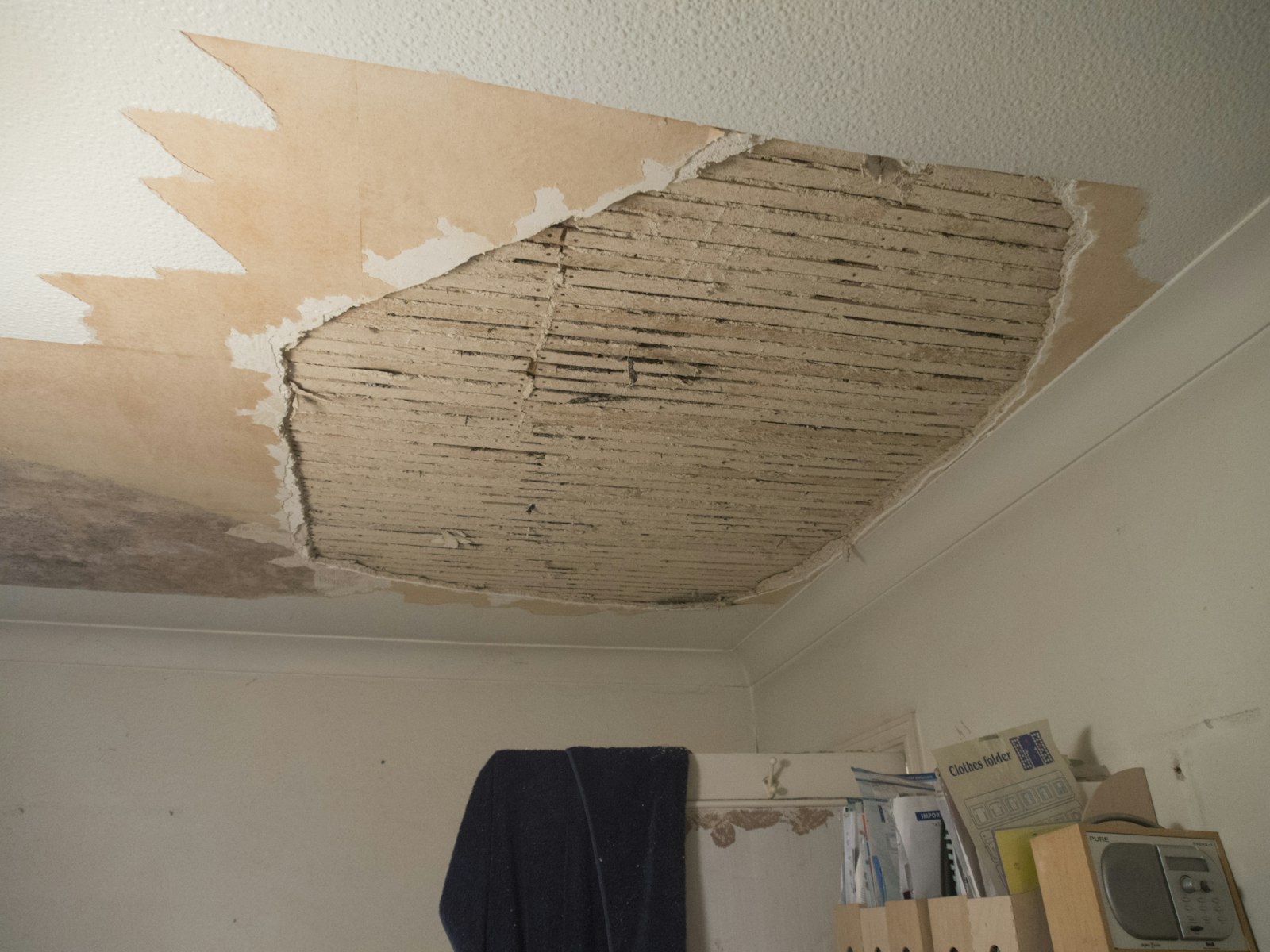
If the water is coming from the roof during a storm, you cannot stop it. Move what you can out of the way, put a container under the drip and leave a bulging ceiling alone.
Deal With the Electrical Risk
Water and electricity are the reason people get hurt after a leak, not the water itself. Do not walk into standing water if it is anywhere near outlets, extension cords, power strips, an air handler or the electrical panel. If you are not certain a room is safe, stay out of it and say so when you call.
Never reach for a breaker panel while standing in water. If circuits need to be shut off and you cannot do it from a dry position, that is a job for an electrician or the responding crew.
Water from a drain line or from the street is a health risk on top of that. Wear closed shoes and gloves if you have to enter at all, keep children and pets out, and do not run the air conditioning if the system or its ducts were in the water.
Photograph Everything Before You Move It
Take photos and a slow video walkthrough before you move furniture, lift rugs or throw anything away. Capture the water line on the walls and cabinets, the affected rooms from the doorway, the source if you can see it safely, and the contents that got wet. Get the make and model of any appliance involved.
Keep the damaged materials where possible until they have been documented. A photograph of a wet carpet is worth far more than a description of one, and that record matters whether or not you end up filing a claim.
Write down the time you found it and the time the water was shut off. Those two times explain a great deal later about why some materials could be saved and others could not.
Start the Drying the Same Day
The single biggest factor in how much has to be torn out is how quickly drying started. Wet porous materials begin to break down and grow mold within a day or two, faster inside a closed-up house during monsoon humidity. Material that is dried on day one often stays; the same material left until day four usually does not.
What you can do yourself is limited but useful: lift small items and electronics off the floor, block furniture legs up on foil or wood so the finish does not stain the carpet, and mop or squeegee standing water off hard flooring. Do not use a household vacuum on water.
What you cannot do yourself is find the water inside the wall. That takes meters and a thermal camera, and it is the reason a room can feel dry while the bottom plate behind the baseboard is still saturated.
What This Looks Like in Tempe
Tempe homes are slab-on-grade with no basement, so water spreads flat and wicks up the drywall instead of draining away. In older neighborhoods near Mill Avenue and in the student rentals around Arizona State University, a failed line in one unit can reach several rooms before anyone is home to notice.
The sources here are seasonal as well as mechanical. Air conditioning condensate lines clog with dust and overflow through the summer, water heaters sitting in hot garages fail, and monsoon downpours push water in at the front door or under roof tiles. The record valley rain of September 8, 2014 is the local reference point for how fast streets can fill.
If your property is in one of the nearby cities, the same first-day rules apply. See water damage restoration in Mesa for local details there.
Call to Be Connected
Call Tempe Water Damage Pros to be connected with an independent provider; availability varies. Describe where the water started, how far it has spread and whether it is still arriving. Emergency extraction comes first, then structural drying until the readings hold.
If you are weighing what can be saved, read dry and restore versus replace. Otherwise call the number and keep out of any room where water is near power.