Water Damage Restoration Contractors in Tempe
Water damage restoration contractors in Tempe should be chosen the same way every time: stop the water, take photos, call your insurance company, then pick a provider who inspects first, explains your options in plain words and puts the scope in a written quote before work starts.
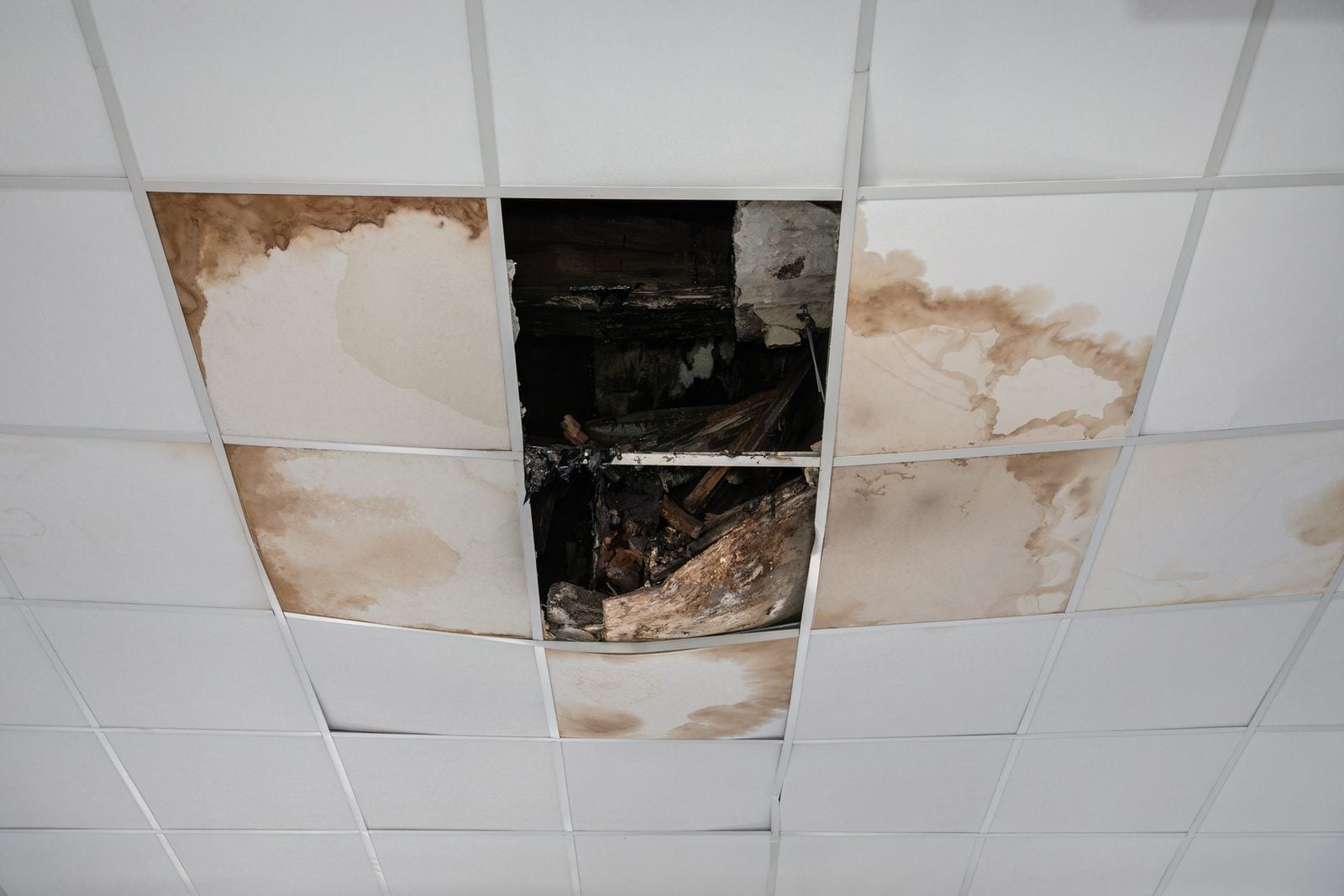
- Arizona's insurance department (DIFI) advises taking pictures of the damage before any mitigation, plumbing or restoration work begins.
- DIFI advises calling your insurance company or adjuster before calling a contractor, and confirming coverage with the adjuster, not the contractor.
- You can look up a contractor in the Arizona Registrar of Contractors' online contractor search, and DIFI notes it is your right to get more than one quote.
- The EPA says to dry water-damaged areas and items within 24-48 hours to help prevent mold growth.
- DIFI warns against high-pressure sales and people going door to door offering services you did not ask for.
What do water damage restoration contractors actually do?
Water damage restoration contractors in Tempe remove standing water, find where moisture has spread, dry the structure with specialized equipment, and remove materials that cannot be saved. Some also handle the rebuild, such as new drywall, baseboards and flooring. Others only do the drying and cleanup, and a separate contractor puts the home back together.
It helps to know the two phases by name, because quotes and insurance paperwork often split them:
- Mitigation: extraction, moisture mapping, drying, dehumidifying and removing wet materials like soaked carpet pad or the bottom of a drywall wall.
- Restoration or rebuild: replacing what was removed, patching, painting and installing flooring so the room looks the way it did.
The water source also shapes the job: a clean supply line leak, storm water and a sewage backup are each handled differently.
Should I call my insurance company or a contractor first?
Arizona's Department of Insurance and Financial Institutions (DIFI) advises calling your insurance company or adjuster before calling a contractor. Stop the water and take photos first, then call your insurer, then choose who will do the work. That order keeps your claim cleaner and your options open.
DIFI also advises taking pictures of the damage before any water mitigation company, plumber or restoration contractor shows up. DIFI suggests keeping a log of times, dates, technician names and equipment used, such as dehumidifiers, air movers and moisture detectors.
One thing the insurance department is clear about: verify coverage with your adjuster, not the contractor. Many policies treat sudden damage differently from gradual leaks, so check your policy and document everything. A contractor can describe the damage, but only your insurer decides what the policy pays for.
If water is still spreading and you cannot wait, it is reasonable to call for help stopping the damage while you reach your insurer. Call (480) 542-5265 to be connected with a local provider.
What should I check before hiring a water damage restoration contractor in Tempe?
Before hiring a water damage restoration contractor in Tempe, check that the business is real and allowed to do contracting work in Arizona, that it inspects before it quotes, and that it will put the scope in writing. You can look up a contractor in the Arizona Registrar of Contractors' online contractor search.
A short checklist you can run through on the phone or at the door:
- Look them up. Search the business name in the Registrar of Contractors' contractor search, and make sure the name on the quote matches.
- Inspection first. A real scope comes from moisture readings, not a glance at a stain.
- Written quote. Ask for the work, the rooms and the materials to be listed in writing before anything is torn out.
- Plain answers about insurance. The contractor should tell you to confirm coverage with your adjuster, not promise what the policy will pay.
- Who does the rebuild. Ask whether they handle repairs after drying or hand off to another contractor.
- More than one quote. DIFI notes it is your right to get more than one quote.
If you rent, add one more step. DIFI advises renters to check with their landlord before any repair work begins.
Need help now? Call to be connected with a local provider in Tempe who can check availability for your address.
What questions should I ask a restoration contractor on the first call?
On the first call, ask what they need to know about the water source, whether they will inspect and measure moisture before quoting, how they document the job, and whether drying and rebuild are quoted separately. Vague answers or pressure to commit right away are warning signs.
Useful questions include:
- Will you inspect and take moisture readings before giving me a written quote?
- How do you decide what can be dried in place and what has to be removed?
- Will you photograph the damage and keep drying logs I can share with my adjuster?
- What equipment will be set up, and how will you check that the area is dry before you remove it?
- Do you handle the rebuild, or will I need a different contractor for that part?
- What do you need from me before work starts, such as a signed authorization or a landlord's okay?
Write down the answers and who you spoke with, which fits DIFI's advice to keep a log.
What are the red flags when choosing a water damage company?
The biggest red flags are high-pressure sales, someone knocking on your door offering services you did not ask for, a contractor who promises what insurance will pay, and anyone who wants you to sign before they have inspected. DIFI specifically warns homeowners to avoid high-pressure sales and door-to-door offers.
Other warning signs to take seriously:
- No written quote, or a quote with no list of rooms, materials or work steps.
- Pushing you to tear out large areas before anyone measures moisture.
- Telling you not to call your insurance company or to let them talk to the adjuster for you.
- A business name you cannot find in the Registrar of Contractors' contractor search.
What should a written water damage quote include?
A written water damage quote should list the affected rooms, the water source, what will be removed, what will be dried in place, the equipment to be used, and how dryness will be confirmed. It should also say whether rebuild work is included or quoted separately, so you can compare providers on the same terms.
Look for these items on the page:
- A description of the cause and the category of water, in plain words.
- Room-by-room scope, including flooring, drywall, cabinets and insulation.
- The drying plan and how moisture readings will be taken and recorded.
- What happens if hidden damage or mold is found once walls are opened.
- Whether the quote covers mitigation only, or mitigation plus repairs.
Keep a copy of every quote with your photos and log, since your adjuster may ask for them.
What happens during the visit?
During the visit, the provider inspects the wet areas, measures moisture in floors, walls and ceilings, explains your options in plain words, and gives you a written quote before any work begins. You decide what happens next after you have reviewed the scope and spoken with your insurer.
A typical visit follows these steps:
- Inspection: a walk-through of every affected room, plus a look at the source if it is still active.
- Moisture check: readings to find where water spread behind baseboards, under flooring or above the ceiling.
- Options explained: what can be dried in place, what likely needs removal, and how the water source affects the plan.
- Written quote: the scope, rooms and equipment in writing before work starts.
To be connected with a local provider for an inspection, call (480) 542-5265.
What should Tempe-area residents know when choosing a restoration contractor?
In Tempe and the East Valley, the busiest times for water damage calls tend to follow storms, so it pays to decide how you will choose a contractor before one hits. Homes in Tempe, Mesa, Chandler, Gilbert, Ahwatukee and Apache Junction all deal with the same pattern of long dry stretches broken by heavy rain.
The National Weather Service defines the monsoon as June 15 through September 30, and says Phoenix averages 2.43 inches of precipitation during the monsoon. Phoenix Sky Harbor, the official station closest to Tempe, averages 7.22 inches of rain a year, so a single storm can deliver a large share of that. Fall storms count too. NWS Phoenix reported that the October 12-13, 2025 storms produced several water rescues, street and highway closures and overflowing washes across the Phoenix metro, and on October 13, 2025 it reported a water rescue in Apache Junction along Weekes Wash.
When many homes get wet at once, more people go door to door offering help. DIFI's advice to avoid high-pressure sales and unrequested door-to-door offers matters most in those weeks. Stick to the steps: photos first, call your insurer, look up the contractor, and get a written quote. When you are ready, call (480) 542-5265 to be connected with a local provider who serves your part of the Valley.
Related pages
Questions people ask
How do I choose water damage restoration contractors in Tempe?
Choose one that inspects and measures moisture before quoting, puts the scope in a written quote, and tells you to confirm coverage with your adjuster. Look the business up in the Arizona Registrar of Contractors' online contractor search, and compare more than one quote if you have time.
Should I call my insurance company before I call a water damage company?
Yes, Arizona's insurance department advises calling your insurance company or adjuster before calling a contractor. Stop the water and take photos first, then call your insurer, then choose who will do the work.
Can a water damage contractor tell me if insurance will cover my damage?
No, only your insurance company decides what your policy covers. DIFI advises verifying coverage with your adjuster rather than taking a contractor's word for it. Many policies treat sudden damage differently from gradual leaks, so check your policy and document everything.
How do I check if a restoration contractor is legit in Arizona?
Search the business name in the Arizona Registrar of Contractors' online contractor search and make sure it matches the name on your quote. Also ask for a written quote and be cautious of anyone who pressures you to sign right away.
Someone knocked on my door offering to fix my storm damage. Should I hire them?
Be very careful. DIFI warns homeowners to avoid people going door to door offering services that were not requested, and to avoid high-pressure sales. It is safer to hire someone you contacted yourself.
What pictures should I take before a water damage contractor arrives?
Take photos of every wet room, the source of the water, damaged belongings and any water lines on walls or cabinets. DIFI advises taking pictures before any mitigation, plumbers or restoration contractors show up.
What is the difference between water mitigation and water damage restoration?
Mitigation stops and dries the damage, and restoration puts the home back together. Mitigation covers extraction, drying and removing wet materials. Restoration covers rebuilding drywall, flooring and finishes.
How quickly does water damage need to be dried out?
The EPA says to dry water-damaged areas and items within 24-48 hours to prevent mold growth. Start calls right away so drying is not delayed, even while you compare providers.
Should I let a contractor start tearing out drywall before my adjuster sees it?
Talk to your insurance company first and photograph everything before anything is removed. If damage is spreading, ask your adjuster how they want it handled and keep a log of what was removed and why.
What records should I keep while a water damage company is working in my house?
Keep a log of times, dates, technician names and the equipment used, such as dehumidifiers, air movers and moisture detectors. DIFI suggests this log, and it helps if questions come up later.
I rent in Tempe. Can I hire a water damage contractor myself?
Check with your landlord first. DIFI advises renters to check with their landlord before any repair work begins, and the building repairs are usually the owner's decision.
Can I dry out water damage myself instead of hiring a contractor?
Small spills of clean water on hard floors can often be wiped up and dried with fans and AC. Water that soaked carpet, drywall, cabinets or a ceiling usually needs moisture readings and drying equipment to be sure it is truly dry.
Is storm water treated differently from a pipe leak?
Yes, the water source changes the cleanup plan. Clean supply line water is handled differently from storm water or sewage, and insurance policies often treat these differently too, so check your policy and document everything.
When is monsoon season in Tempe?
The National Weather Service defines the monsoon as June 15 through September 30. Fall storms can also cause flooding, like the October 12-13, 2025 storms NWS Phoenix reported across the metro.
Who do I call for water damage in Mesa, Chandler or Gilbert?
Call (480) 542-5265 to be connected with a local provider who serves your area. Take photos and call your insurance company as well, so you are ready when the provider inspects.
Talk to someone about your water damage problem
Call to be connected with a local provider who can check availability for your address and explain the next step.