Storm Damage Restoration Services in Tempe
If a storm left water in your home, storm damage restoration services in Tempe can help you stop the spread, dry the structure and plan repairs. Start by staying safe, blocking new water and taking photos. Then call the number on this page to be connected with a local provider.
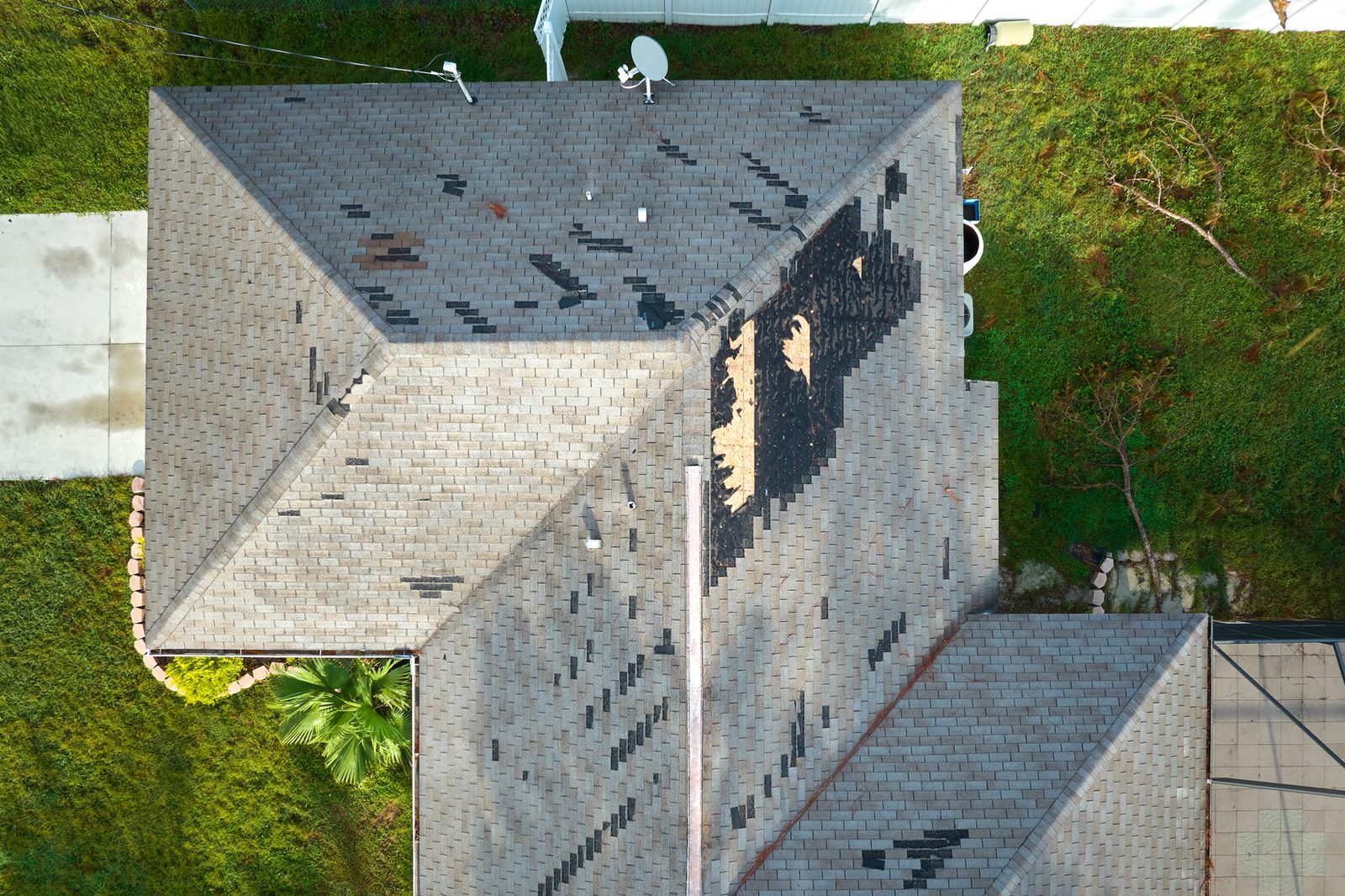
- The National Weather Service defines the Southwest monsoon as June 15 through September 30.
- NWS says flash floods are common in Arizona.
- The EPA says water-damaged areas and items should be dried within 24-48 hours to help prevent mold.
- Arizona's insurance department advises taking photos of the damage before any restoration contractor arrives.
- FEMA says most homeowners insurance policies do not cover flood damage, so check your policy and document everything.
What to do first
- Stay out of rooms with standing water if it is near outlets, cords or appliances, and shut off power only if you can reach the panel from a dry spot.
- Watch for sagging ceilings and keep everyone out from under them.
- Block new water if it is safe, such as covering a broken window.
- Take wide photos and short videos of every wet room before anything is moved or thrown out.
- Call your insurance company, then call to be connected with a local storm damage restoration provider.
What do storm damage restoration services in Tempe include?
Storm damage restoration services in Tempe usually cover water removal, drying, cleaning and planning repairs after rain, wind or flash flooding gets inside a home. The goal is to stop the damage from spreading and get the structure dry before mold has a chance to start.
The work often includes:
- Water extraction from floors, carpet and low spots.
- Removing wet materials that cannot be saved, such as soaked carpet pad or drywall.
- Drying and dehumidifying walls, floors and cabinets with air movers and dehumidifiers.
- Cleaning surfaces touched by muddy or outside water.
Roof and window repairs are often a separate trade. See our page on storm and flood cleanup for more detail.
What are the signs a storm caused water damage inside my home?
The clearest signs are water on the floor, wet carpet, ceiling stains or drips that show up during or right after a storm. Some damage shows up a day or two later.
- Brown rings or bubbling paint on a ceiling.
- Damp baseboards or swollen door frames near an exterior wall.
- Water or mud tracking in under a door.
- A musty smell in a room that was dry before the storm.
If you spot any of these, check the attic and nearby rooms. Our guide on roof leak water damage explains what to look for overhead.
Why does drying speed matter so much after a storm?
Drying speed matters because wet materials break down and can grow mold if they stay damp. The EPA says it is important to dry water-damaged areas and items within 24-48 hours to help prevent mold growth.
Drywall, carpet pad and particleboard cabinets soak up water and hold it, even when the surface feels dry. That is why providers check behind baseboards and under flooring with moisture meters. The EPA also advises keeping indoor relative humidity below 60 percent, ideally between 30 and 50 percent. Learn more about structural drying in Tempe.
Need help now? Call to be connected with a local provider in Tempe who can check availability for your address.
Does the type of storm water change the cleanup?
Yes. Rain coming through a roof is usually treated differently than muddy floodwater that came in at ground level. Providers often sort water into three plain groups:
- Clean water: rain that dripped straight through a roof or window without touching anything dirty.
- Gray water: water that picked up some dirt or residue, or clean water that sat too long.
- Black water: outside floodwater or water mixed with sewage.
With black water, soaked drywall and carpet pad are usually removed instead of dried. The Arizona Department of Health Services advises that after flooding, all sheetrock should be removed to at least 12 inches above the high-water mark.
What happens during the visit?
A local provider starts with an inspection. They look at where the water came in, how far it spread and which materials are wet. Many use moisture meters and thermal tools to find water you cannot see.
Next, they explain your options. That might mean extracting water, removing some materials, setting up drying equipment, or a mix of these. You should get a written quote before any work starts, so you and your insurance adjuster can review it. Ask questions before you sign. See how it works for the full process.
How should I handle insurance after storm damage?
Document first, then call your insurer. Arizona's Department of Insurance and Financial Institutions (DIFI) advises taking pictures of the damage before any water mitigation or restoration contractors show up, and calling your insurance company or adjuster before calling a contractor.
Coverage depends on your policy, and nobody can promise it ahead of time. DIFI says water damage not caused by a flood may be covered if it results from a sudden or accidental event. FEMA says most homeowners policies do not cover flood damage. Many policies treat sudden damage differently from gradual leaks, so check your policy and keep every receipt. Our insurance claim basics guide has more tips.
How do I choose a storm damage restoration provider?
Pick someone who explains the work in plain words, gives a written quote and does not rush you. DIFI advises making sure any contractor is licensed in Arizona and notes that you have the right to get more than one quote. DIFI also warns against high-pressure sales and door-to-door offers you did not ask for, which are common after big storms.
What should Tempe and East Valley homeowners know about storm season?
Most storm damage in Tempe comes from monsoon storms, dust storms with strong winds, and heavy rain that overwhelms drainage. The National Weather Service defines the monsoon as June 15 through September 30, and says flash floods are common in Arizona.
Wind can open the door for water. NWS says a Dust Storm Warning means visibilities of 1/4 mile or less, and that wind gusts of 40 to 60 mph are also likely. Gusts like that can lift roof tiles or break windows right before the rain arrives.
Storms do not always stop in September. On one day in late September 2025, Phoenix Sky Harbor received 1.64 inches of rain, its highest one-day total since October 13, 2018. NWS Phoenix also reported that the October 12-13, 2025 storms brought water rescues, road closures and overflowing washes across the Phoenix metro, and a water rescue in Apache Junction along Weekes Wash. Homeowners in Tempe, Mesa, Chandler, Guadalupe and Apache Junction can call to be connected with a local provider.
Related pages
Questions people ask
Where can I find storm damage restoration services in Tempe?
Call the number on this page to be connected with a local provider of storm damage restoration services in Tempe. Before the visit, take photos of every wet area and block new water if it is safe.
What should I do right after a monsoon storm leaks water into my house?
Stay safe first, then stop new water and take photos. In Tempe, that often means moving belongings out of the wet area, placing towels or buckets under drips, and calling to be connected with a local provider who can check for hidden moisture.
Can I dry out storm water damage myself?
Small, clean-water spots can sometimes be dried with fans and a dehumidifier. If water soaked carpet, got inside walls or came from outside floodwater, a provider with moisture meters can find wet areas you would likely miss.
Should I call a roofer or a water damage company first after a storm?
If water is still coming in, a roofer or someone who can tarp the roof helps stop the source. A water damage provider handles the water already inside. Many Tempe homeowners end up calling both.
Can a dust storm cause water damage?
A dust storm itself is dry, but its winds can lift roof tiles, break windows or damage rooftop coolers. When rain follows, water can get in through those openings. Check your roof and windows after strong winds.
How long can storm water sit before mold starts?
The EPA says to dry water-damaged areas within 24-48 hours to help prevent mold. In Tempe, that means acting quickly, even when the damage looks small.
Will my carpet need to be thrown out after storm flooding?
It depends on the water. Carpet wet from clean roof leaks can sometimes be dried. Carpet soaked by outside floodwater usually has to be removed, along with the pad underneath.
Does homeowners insurance cover storm damage in Arizona?
It depends on your policy. Arizona's insurance department says non-flood water damage may be covered if it is sudden or accidental, while FEMA says most homeowners policies do not cover flood damage. Check your policy and document everything.
Should I leave storm drying equipment running at night?
Usually yes. Air movers and dehumidifiers dry a home faster when they run without long breaks, so ask your Tempe provider before turning anything off.
What is the difference between storm damage and flood damage for insurance?
Insurers often treat water that enters through a damaged roof or window differently from rising water that flows in from outside. Floodwater usually falls under separate flood insurance. Ask your adjuster how your policy defines each.
Can I buy flood insurance right before monsoon season?
You can, but it may not start right away. FEMA says there is typically a 30-day waiting period before a National Flood Insurance Program policy goes into effect, with some exceptions.
Why does my ceiling sag after heavy rain?
A sagging ceiling usually means water is pooling on top of the drywall. Keep everyone out from under it and call to be connected with a local provider in Tempe, since a soaked ceiling can come down.
What is the storm season in Tempe?
The National Weather Service defines the monsoon as June 15 through September 30, and Tempe sees most of its storm damage then. Heavy storms can still happen in October, as the October 12-13, 2025 storms showed across the Phoenix metro.
Who should I call for storm damage in Gilbert or South Scottsdale?
Call the number on this page to be connected with a local provider who serves Gilbert, South Scottsdale and other East Valley areas. Have your address and a short description of the damage ready.
Can I stay in my apartment in Tempe after storm water came in?
Often yes, if the water is limited and there is no electrical risk. Tell your landlord right away, because Arizona's insurance department advises renters to check with their landlord before any repair work begins.
Talk to someone about your water damage problem
Call to be connected with a local provider who can check availability for your address and explain the next step.