Ceiling Water Damage Repair Cost in Tempe
Ceiling water damage repair cost in Tempe depends on a few things you can see and several you cannot: where the water came from, how far it spread above the drywall, whether insulation and framing got wet, and how quickly drying started. The only reliable number is a written quote after a hands-on inspection.
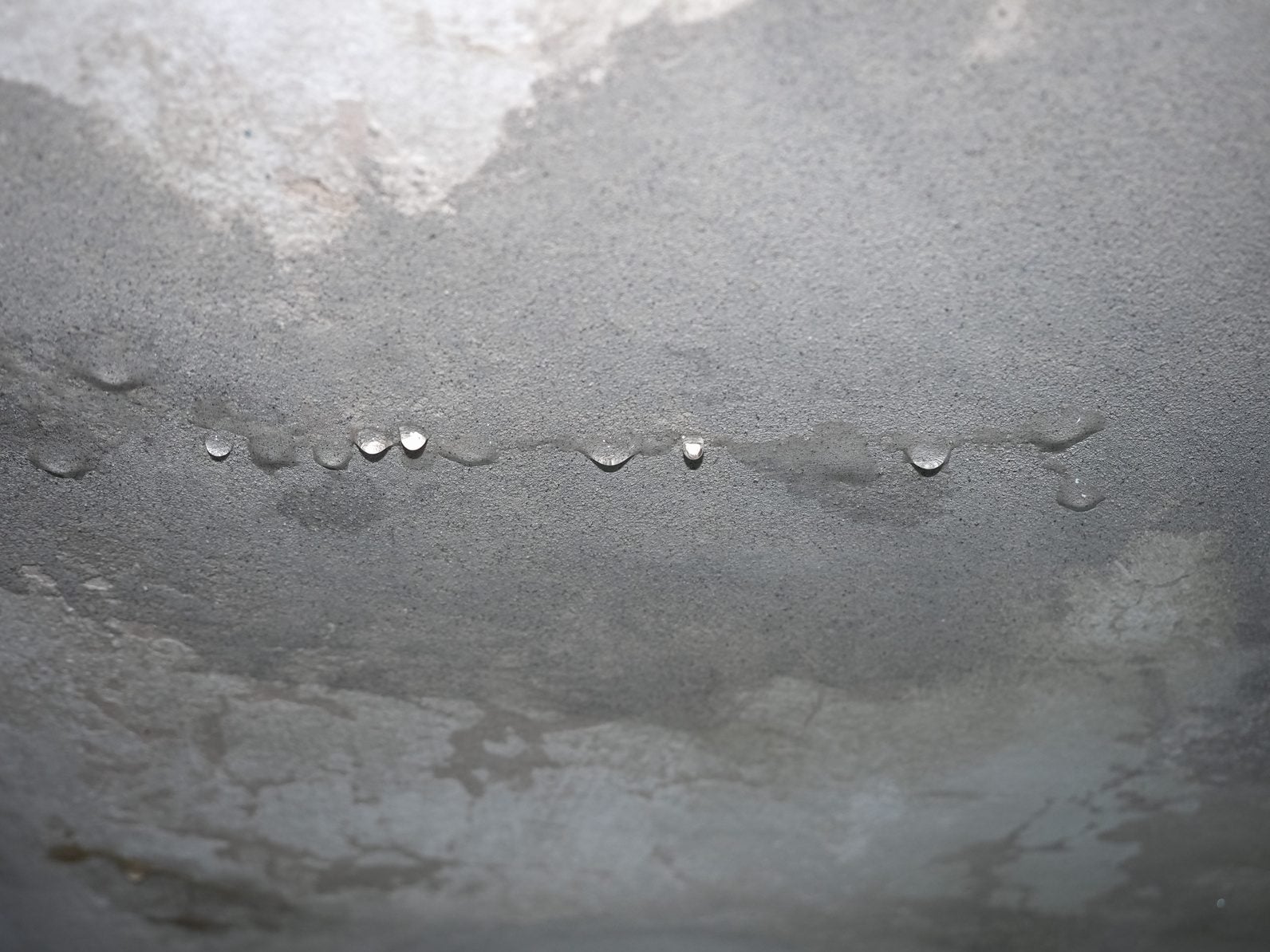
- The water source matters first. A clean supply line leak, a roof leak and a drain or sewage leak are handled very differently.
- Hidden spread above the drywall, into insulation and joists, often affects the scope more than the size of the stain.
- The EPA says to dry water-damaged areas and items within 24-48 hours to help prevent mold.
- A sagging or bulging ceiling can hold water and fall. Keep people out of the room and away from wet light fixtures.
- Arizona's insurance department advises taking photos before any work starts.
What affects ceiling water damage repair cost the most?
The biggest factors in ceiling water damage repair cost are the water source, the size of the wet area above the ceiling, what has to be removed, and how long the materials stayed wet. In Tempe homes, a quick response to a small, clean leak usually means a smaller job than a slow leak found weeks later.
The stain is only the tip of the problem. Water spreads across the top of drywall, into insulation and along joists. Common drivers include:
- Source: clean supply line water versus roof or drain water.
- Spread: one small patch versus wet insulation across several rooms.
- Materials: standard drywall, plaster or a textured ceiling.
- Time wet: how long before drying began, and whether mold has started.
- Access and finish: attic space above or not, plus texture matching and paint.
Is a sagging, wet ceiling dangerous to stand under?
Yes, a sagging, wet ceiling can be dangerous because soaked drywall is heavy and can give way without warning. Keep everyone out of the room below, move furniture and electronics if you can do it without standing under the bulge, and do not try to push the ceiling back up.
Water and wiring are the other big risk. If water is dripping from or near a light fixture, ceiling fan, smoke detector or outlet, do not touch the fixture or flip its switch. Turn that circuit off at the breaker panel only if you can reach the panel from a dry spot without walking through water. If you cannot, leave the area and call for help. Wet wiring should be checked by a qualified electrician before power is restored to that part of the house.
Once the room is safe, take photos, put a bucket under any drip, and call (480) 542-5265 to be connected with a local provider.
How does the water source change the repair scope?
The water source changes the repair scope because clean water, roof water and drain water carry different risks. A burst supply line is clean at first, while water from a roof, an AC drain pan or a toilet above can carry dirt or bacteria, which often means more material is removed instead of dried in place.
The source also has to be fixed before the ceiling is closed up, whether by a plumber, a roofer or an HVAC provider. Arizona health officials say it is critical to remove the source of moisture first, because mold will come back if the area gets wet again.
Need help now? Call to be connected with a local provider in Tempe who can check availability for your address.
Can a water-stained ceiling be dried instead of replaced?
A water-stained ceiling can often be dried and repaired instead of replaced when the leak was clean, caught early, and the drywall is still firm. If the drywall is sagging, crumbling, soft to the touch, or shows mold, that section usually needs to come out.
Drying in place uses moisture meters, air movers and dehumidifiers to bring the drywall, insulation and framing back to normal levels. Small stains may then need a stain-blocking primer and paint. Wet insulation is a common reason a job grows, because soaked insulation holds water against the drywall and the joists. Our page on dry and restore vs. replace explains how that choice is usually made.
Why does hidden water above the ceiling raise the scope?
Hidden water above the ceiling raises the scope because what you see from below is often a small part of the wet area. Water can travel along joists and the back of the drywall into nearby rooms, soak insulation, and reach light boxes and ducts before it shows as a stain.
Providers use moisture meters and sometimes thermal cameras to map the wet area before quoting, so they neither cut out too much nor close up a cavity that is still wet. A stain that keeps growing after the leak seems to stop points to trapped water. See our guide to signs of hidden water damage.
How do ceiling texture, height and access affect the work?
Ceiling texture, height and access affect the work because they change how much labor and setup a repair takes. A flat, standard-height drywall ceiling with attic access is the simplest case. Vaulted ceilings, stairwells, heavy textures and ceilings with no attic above take more time.
Matching texture so a patch blends in is a skill of its own. Older popcorn ceilings may need to be tested before they are cut or scraped. Recessed lights, fans and vents in the wet area also add work, since they must be removed, checked and reinstalled.
Does waiting make ceiling water damage repair more involved?
Waiting usually makes ceiling water damage repair more involved, because drywall and insulation that stay wet tend to need replacement rather than drying, and mold becomes more likely. The EPA says to dry water-damaged areas and items within 24-48 hours to help prevent mold growth.
If you see or smell mold, Arizona health officials say you have a problem, and testing is not the recommended first step. Small, clean leaks that are dried quickly are the cases most likely to end with a simple patch and paint. Our page on mold remediation after water damage covers what comes next if mold is present.
Will insurance pay for ceiling water damage repair?
Whether insurance pays for ceiling water damage repair depends on your policy and the cause, so nobody can promise coverage in advance. Many policies treat sudden damage differently from gradual leaks; check your policy and document everything.
Arizona's Department of Insurance and Financial Institutions (DIFI) says water damage not caused by a flood may be covered if it results from a sudden or accidental event, and that your policy spells out what is covered. DIFI advises taking pictures before any restoration contractors show up, calling your insurer or adjuster before a contractor, and keeping a log of dates, names and drying equipment used. See our insurance claim basics guide.
What happens during the visit for a ceiling water damage quote?
During the visit, a local provider inspects the ceiling and the space above it, explains what they found and the options, and gives you a written quote before any work starts. Nothing should begin until you understand the scope and agree to it.
- Inspection: they look at the stain, check the attic or the cavity above, find or confirm the source, and use moisture meters to map how far the water spread.
- Options explained: they explain what can be dried in place, what needs to be removed, whether other trades such as a roofer, plumber or electrician are needed, and what the finish work involves.
- Written quote: you get the scope in writing before work begins, so you can compare it, share it with your adjuster, and ask questions.
DIFI notes that it is your right to get more than one quote, and advises making sure any contractor doing the work is licensed in Arizona. You can look up a license in the Arizona Registrar of Contractors' online contractor search. To set up a visit, call (480) 542-5265.
Why do Tempe ceilings get water damage, and what does that mean for repairs?
Tempe ceilings get water damage from three main sources: monsoon storms that find weak spots in the roof, plumbing and AC lines in the attic, and rooftop cooling equipment. Each one leads to a different repair path, which is why ceiling repairs in Tempe, Mesa, Chandler, Gilbert and Ahwatukee can look very different from house to house.
The National Weather Service defines the monsoon as June 15 through September 30, and says Phoenix averages 2.43 inches of precipitation during the monsoon. Phoenix Sky Harbor, the closest official station to Tempe, averages 7.22 inches of rain a year, so a small roof gap can stay hidden until one heavy storm finds it. NWS Phoenix also reported that the October 12-13, 2025 storms caused water rescues and overflowing washes across the Phoenix metro.
Heat drives the other sources. Phoenix averages 111 days a year at 100°F or higher, so air conditioners run hard, and the EPA advises keeping AC drip pans clean and drain lines flowing. University of Arizona Cooperative Extension recommends inspecting evaporative coolers monthly. A clogged drain line in the attic can soak a ceiling slowly. If you see a new stain, call (480) 542-5265 to be connected with a local provider.
Related pages
Questions people ask
What is the ceiling water damage repair cost in Tempe based on?
It is based on the water source, how far the water spread above the ceiling, what has to be removed, and the finish work needed. A written quote after an inspection is the only reliable way to know your scope.
Why can't anyone tell me what my ceiling repair will cost over the phone?
Because most of the damage is usually above the drywall where nobody can see it from a photo. A provider needs to check the attic or cavity and measure moisture before they can quote the job.
Is it cheaper to fix a ceiling water stain early or wait until the leak is fixed?
Acting early usually keeps the job smaller. Get the source stopped and drying started quickly, since the EPA advises drying wet areas within 24-48 hours to help prevent mold.
Can I just paint over a water stain on my ceiling?
Only after the leak is fixed and the drywall is fully dry and firm. Painting over a wet or soft spot hides the problem and can trap moisture.
How do I know if my ceiling drywall needs to be replaced after a leak?
Drywall that sags, feels soft, crumbles or shows mold usually needs to come out. Firm drywall from a clean, recent leak can often be dried and refinished.
Is it safe to turn on the lights if water is leaking through the ceiling?
No, do not use lights or fans near a wet ceiling. Turn that circuit off at the breaker only if you can reach the panel from a dry spot, and have an electrician check wet wiring.
What should I do if my ceiling is bulging or sagging with water right now?
Get everyone out of the room and stay out from under it. Move what you safely can, turn off power to that area from a dry spot if possible, and call to be connected with a local provider.
Will homeowners insurance cover my ceiling water damage in Arizona?
It depends on your policy and the cause. Arizona's insurance department says sudden or accidental water damage may be covered, so check your policy and talk to your adjuster.
Do I need a roofer, a plumber or a water damage company for a leaking ceiling?
Often more than one. The roofer or plumber stops the source, and a water damage provider dries the ceiling and removes wet materials.
Can an AC condensate line leak ruin my ceiling in Tempe?
Yes. A clogged drain line or full drip pan in the attic can soak a ceiling slowly, which is why the EPA advises keeping drip pans clean and lines flowing.
What should a written quote for ceiling water damage repair include?
It should list the areas to be dried or removed, the equipment used, any finish work such as texture and paint, and what other trades are needed. Ask questions about anything that is unclear.
How do I check if the person fixing my ceiling has an Arizona license?
Use the Arizona Registrar of Contractors' online contractor search. Arizona's insurance department advises making sure any contractor doing the work is licensed in Arizona.
Can mold grow above my ceiling after a monsoon roof leak?
It can if the area stays wet. Arizona health officials list leaky roofs as a common moisture source and say the moisture must be removed first.
Who do I call about ceiling water damage in Chandler or Gilbert?
Call the number on this page to be connected with a local provider who can check availability for your address in Chandler, Gilbert or nearby.
I rent in Tempe and my ceiling is leaking. Who pays for the repair?
Tell your landlord right away and take photos. Arizona's insurance department advises renters to check with their landlord before any repair work begins.
Talk to someone about your water damage problem
Call to be connected with a local provider who can check availability for your address and explain the next step.