How to Find a Roof Leak in Tempe
Learning how to find a roof leak in Tempe starts inside, not on the roof. Go into the attic with a flashlight, find the wet spot, and trace the water uphill to where it enters. Most leaks start at flashing, vents or other openings, not in the middle of the roof.
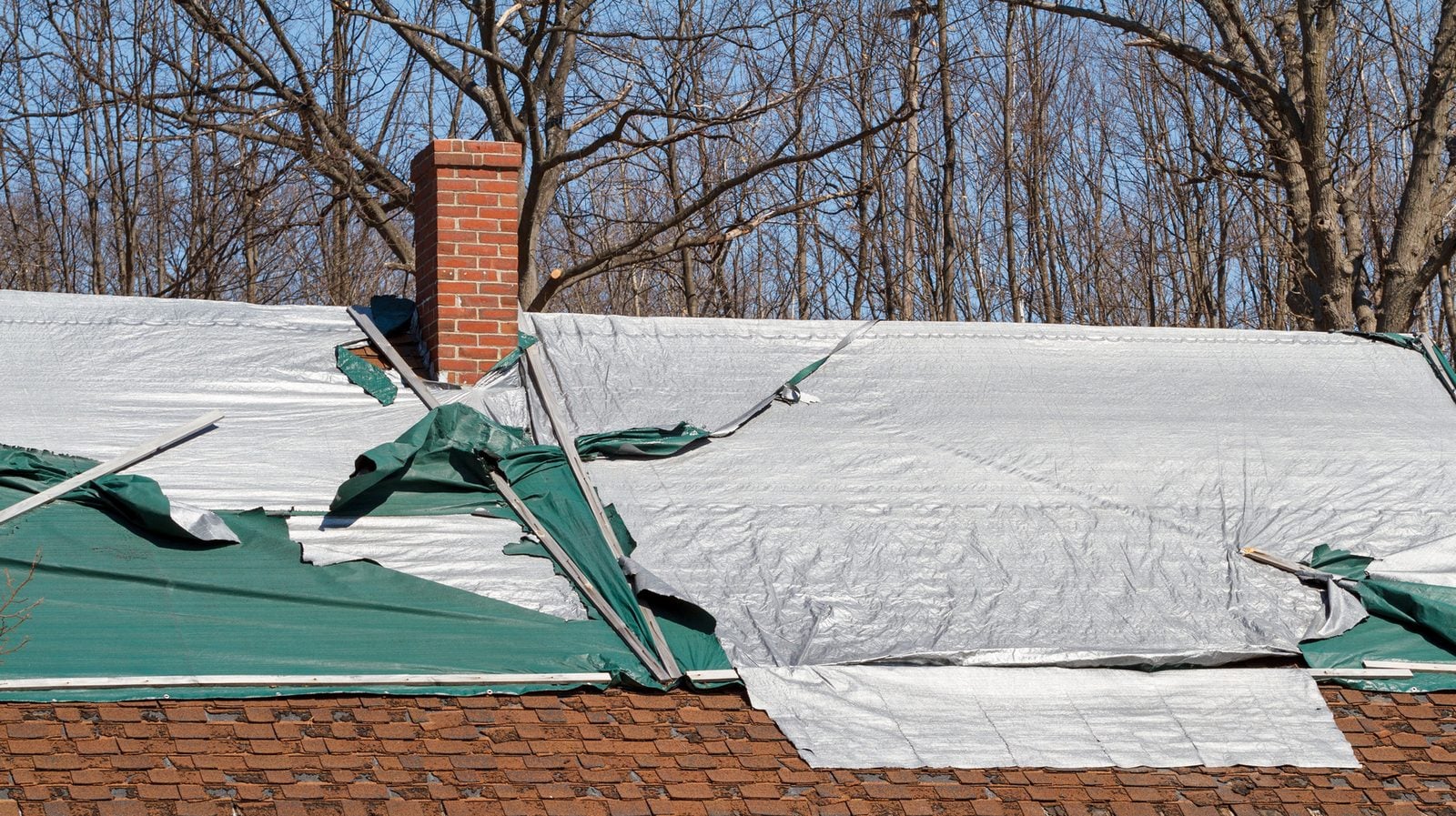
- Water often travels along roof decking or rafters before it drips, so the ceiling stain is rarely right under the entry point.
- Flashing, vent pipe boots, skylights and roof-to-wall joints are the most common places a leak starts.
- The National Weather Service defines the monsoon as June 15 through September 30, when heavy rain tests Tempe roofs.
- The EPA says to dry water-damaged areas and items within 24-48 hours to help prevent mold.
- Walking on a roof, especially a wet or tile roof, is risky. Leave rooftop checks to a professional.
What to do first
- If water is dripping near a light fixture, outlet or ceiling fan, turn that circuit off at the panel only if you can reach it from a dry spot.
- Put a bucket or towels under the drip and move furniture, rugs and electronics out of the way.
- If the ceiling is sagging with water, keep people out of the room underneath.
- Take photos and short videos of the stain, the drip and any wet items before anything is moved.
- Stay off the roof. Call your insurance company if the damage is large, then call to be connected with a local provider.
How do I find a roof leak from inside my Tempe house?
To find a roof leak from inside a Tempe house, start at the ceiling stain, then go into the attic and look straight above it. From there, follow any wet wood, dark streaks or damp insulation uphill toward the roof peak. The entry point is usually higher than the stain.
Bring a strong flashlight and step only on the wooden joists, never on the drywall between them. Look for shiny wet spots, water marks on the underside of the roof deck, rusty nails, and light coming through. Damp, matted insulation often sits right below the trouble spot. If your home has no attic, such as many flat-roof homes, you will need someone to look from above.
Why is the water stain not under the actual roof leak?
The water stain is often not under the actual roof leak because water runs along the roof deck, rafters, pipes or ducts before it finds a place to drip. A leak near a vent can show up as a stain several feet away, even in a different room.
This is why patching the spot right above a stain often fails. The water keeps coming in at the real entry point and simply moves to a new path. Tracing the wet trail uphill, or having a provider use a moisture meter, saves a lot of guesswork.
Where do roof leaks usually start?
Roof leaks usually start where something breaks the roof surface: flashing around chimneys and walls, rubber boots around plumbing vents, skylights, roof-mounted cooling equipment, and valleys where two roof slopes meet. Cracked or slipped tiles and worn underlayment are also common causes.
- Flashing: metal strips at walls, chimneys and edges can lift or separate.
- Vent boots: the rubber collar around a pipe can crack in strong sun.
- Valleys: debris and dust can build up and slow water down.
- Flat roof seams and low spots: water that sits after a storm finds weak seams.
- Rooftop equipment: curbs and lines for coolers or AC units can let water in.
Need help now? Call to be connected with a local provider in Tempe who can check availability for your address.
What are the signs of a roof leak before you see a drip?
Signs of a roof leak before you see a drip include yellow or brown ceiling rings, bubbling or peeling paint near the top of a wall, a musty smell in one room, and damp or darkened insulation in the attic. Stains that grow after each storm point to an active leak.
Other clues are water marks around a light fixture or vent cover, warped trim near the ceiling, and nails in the attic that show rust. For more on spotting moisture you cannot see, read our guide to signs of hidden water damage.
Is it safe to look for a roof leak on the roof myself?
Looking for a roof leak on the roof yourself is risky, and it is safer to check from the attic and the ground. Wet roofs are slippery, tiles can crack or slide under your weight, and a fall can cause serious injury. Leave rooftop inspection to a professional.
From the ground, you can safely use binoculars to look for missing or shifted tiles, lifted flashing and debris in valleys. Never climb up during a storm or high winds. Inside, watch for drywall that is sagging or soft, because a ceiling holding water can come down.
Can I use a garden hose to find a roof leak?
A garden hose test can find a roof leak, but it takes two people and should be done by someone trained to work on roofs. One person runs water over one small section at a time, starting low and working up, while the other watches in the attic for the first drip.
The test is slow on purpose. Running water over the whole roof at once makes it impossible to tell where the water got in. If a hose test is needed, ask the provider who visits to handle it rather than doing it from a ladder yourself.
What happens during a roof leak inspection visit?
During a roof leak inspection visit, the provider looks at the stain, checks the attic, and uses tools such as moisture meters to map how far the water spread. They explain what they found, go over options, and give you a written quote before any work starts.
A roofer handles the opening in the roof. A water damage provider handles what got wet inside: soaked insulation, wet drywall and drying the space. Our page on roof and ceiling leak water damage explains that cleanup side. Ask questions, and remember you can get more than one quote. To talk to someone now, call (480) 542-5265.
Should I call my insurance company about a roof leak?
You should check your policy and consider calling your insurance company about a roof leak, especially if the inside damage is large. Many policies treat sudden damage differently from gradual leaks, so check your policy and document everything.
Arizona's insurance department advises taking photos of the damage before any mitigation or restoration contractors arrive, and calling your insurer or adjuster before calling a contractor. It also suggests keeping a log of dates, names and drying equipment used. Our insurance claim basics guide covers the steps.
Why do Tempe roofs leak during monsoon season?
Tempe roofs leak most often during and right after heavy storms. The National Weather Service defines the monsoon as June 15 through September 30, and says Phoenix averages 2.43 inches of precipitation during the monsoon. Phoenix Sky Harbor, the closest official station to Tempe, averages 7.22 inches of rain a year, so a small gap can stay hidden for months until one big storm finds it.
Storms do not always stop in September. NWS Phoenix reported that the October 12-13, 2025 storms caused water rescues, street closures and overflowing washes across the Phoenix metro. Monsoon winds matter too: NWS says dust storm warnings often come with wind gusts of 40 to 60 mph, which can lift flashing and push rain sideways under tiles.
Heat adds stress. Phoenix averages 111 days a year at 100°F or higher, and long sun exposure can dry out sealants and rubber vent boots. Homes in Tempe, Mesa, Chandler, Gilbert and Ahwatukee all face these conditions. If you see a new stain after a storm, call (480) 542-5265 to be connected with a local provider.
Related pages
Questions people ask
How to find a roof leak when it is not raining?
Look for stains, damp insulation and water marks in the attic, then trace them uphill. Dry clues such as rusty nails and dark streaks on the roof deck still point to the entry point.
How do I find where my roof is leaking from inside the attic?
Start directly above the ceiling stain and follow wet wood or streaks uphill. Step only on joists and use a bright flashlight.
Why does my roof only leak during heavy monsoon storms in Tempe?
Wind-driven rain can push water under flashing and tiles that stay dry in light rain. Strong gusts can also lift loose flashing.
Can a roof leak show up far away from where it actually is?
Yes. Water often runs along rafters, pipes or the roof deck before it drips, so a stain can appear several feet away from the entry point.
Is it safe to go up on my tile roof to look for a leak?
It is not a good idea. Tiles can crack or slide, and wet surfaces are slippery, so leave rooftop checks to a professional.
What does a roof leak stain on the ceiling look like?
It usually looks like a yellow or brown ring, often darker at the edges. A stain that grows after each storm points to an active leak.
Can a small roof leak cause mold?
It can. The EPA says wet areas should be dried within 24-48 hours to help prevent mold, and Arizona health officials list leaky roofs as a common moisture source.
Do I need a roofer or a water damage company for a roof leak?
Often both. A roofer closes the opening in the roof, and a water damage provider dries and removes wet materials inside.
Should I poke a hole in a ceiling that is bulging with water?
Do not stand under a sagging ceiling. Keep people out of the room, move belongings away and call to be connected with a local provider.
How do I find a leak on a flat roof?
Look for ponding water, cracked seams and worn areas around drains and rooftop equipment after a storm. Flat roofs often lack an attic, so a provider may need to check from above.
Can a swamp cooler or AC unit on the roof cause a leak?
Yes. The curb, lines and seals around rooftop equipment break the roof surface and can let water in when they wear out.
What tools help find a hidden roof leak?
Moisture meters and thermal cameras help providers see wet areas behind drywall and under insulation without cutting holes.
Does homeowners insurance cover roof leak damage in Arizona?
It depends on your policy. Arizona's insurance department says sudden or accidental water damage may be covered, so check your policy and talk to your adjuster.
How long can I wait to fix a roof leak?
It is wise not to wait. Each storm adds water, and the EPA advises drying wet areas within 24-48 hours to limit mold.
Who do I call for a roof leak in Mesa or Chandler?
Call the number on this page to be connected with a local provider who can check availability for your address in Mesa, Chandler or nearby.
How do I check my roof for leaks after a dust storm?
From the ground, use binoculars to look for lifted flashing, missing tiles and debris in valleys. Then check the attic for fresh water marks after the next rain.
What should I ask before someone works on my roof leak?
Ask for a written quote, what they found, and what work is included. Arizona's insurance department also advises making sure the contractor is licensed in Arizona.
I rent my home in Tempe. What should I do about a roof leak?
Tell your landlord right away and take photos. Arizona's insurance department advises renters to check with their landlord before repair work begins.
Talk to someone about your water damage problem
Call to be connected with a local provider who can check availability for your address and explain the next step.